
Last updated November 21, 2026
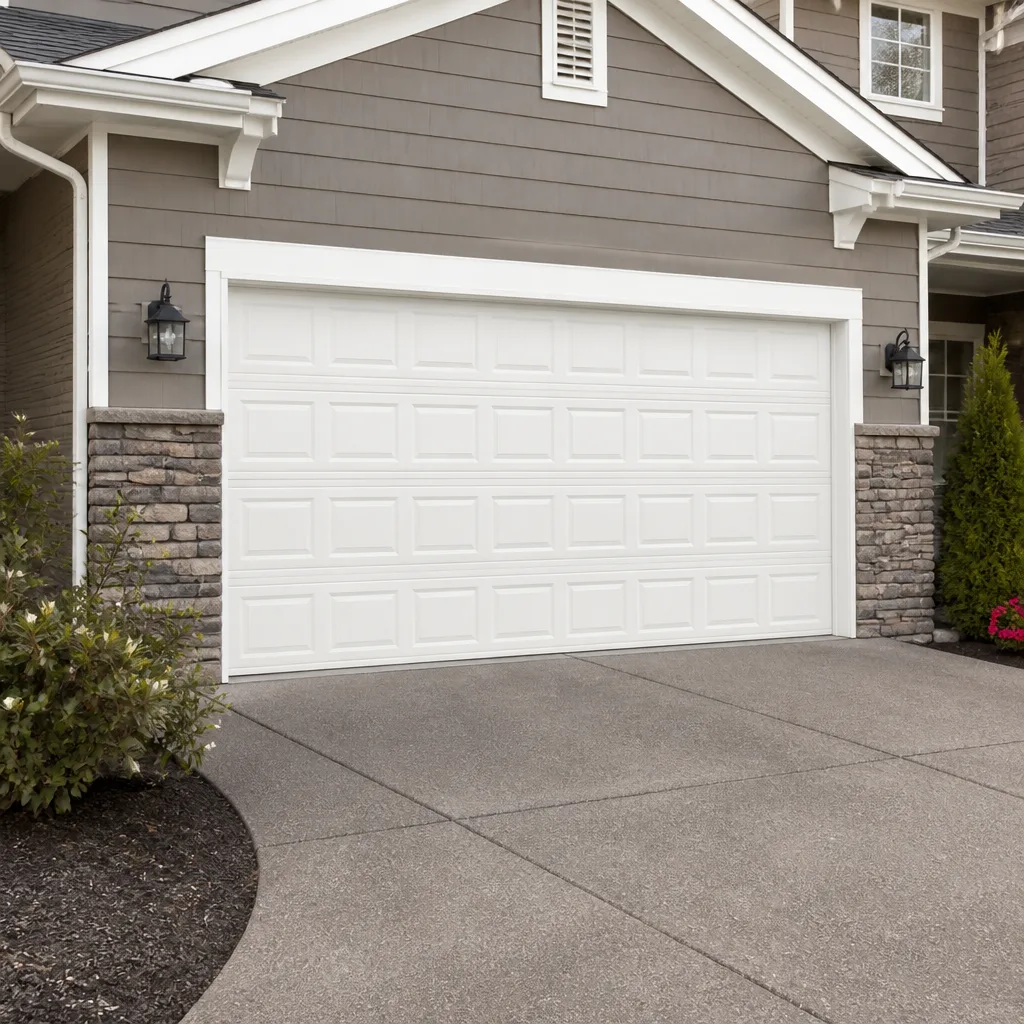 Raised-panel steel
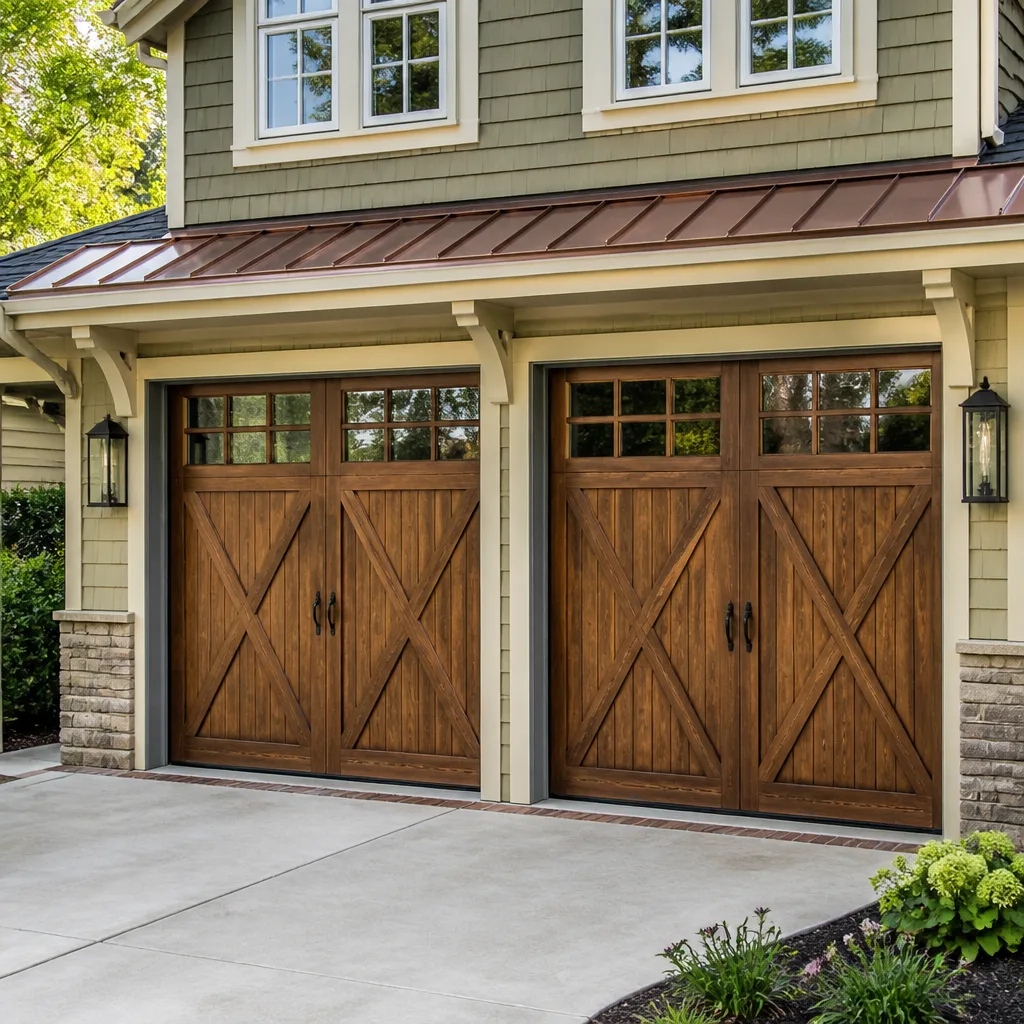 Carriage house
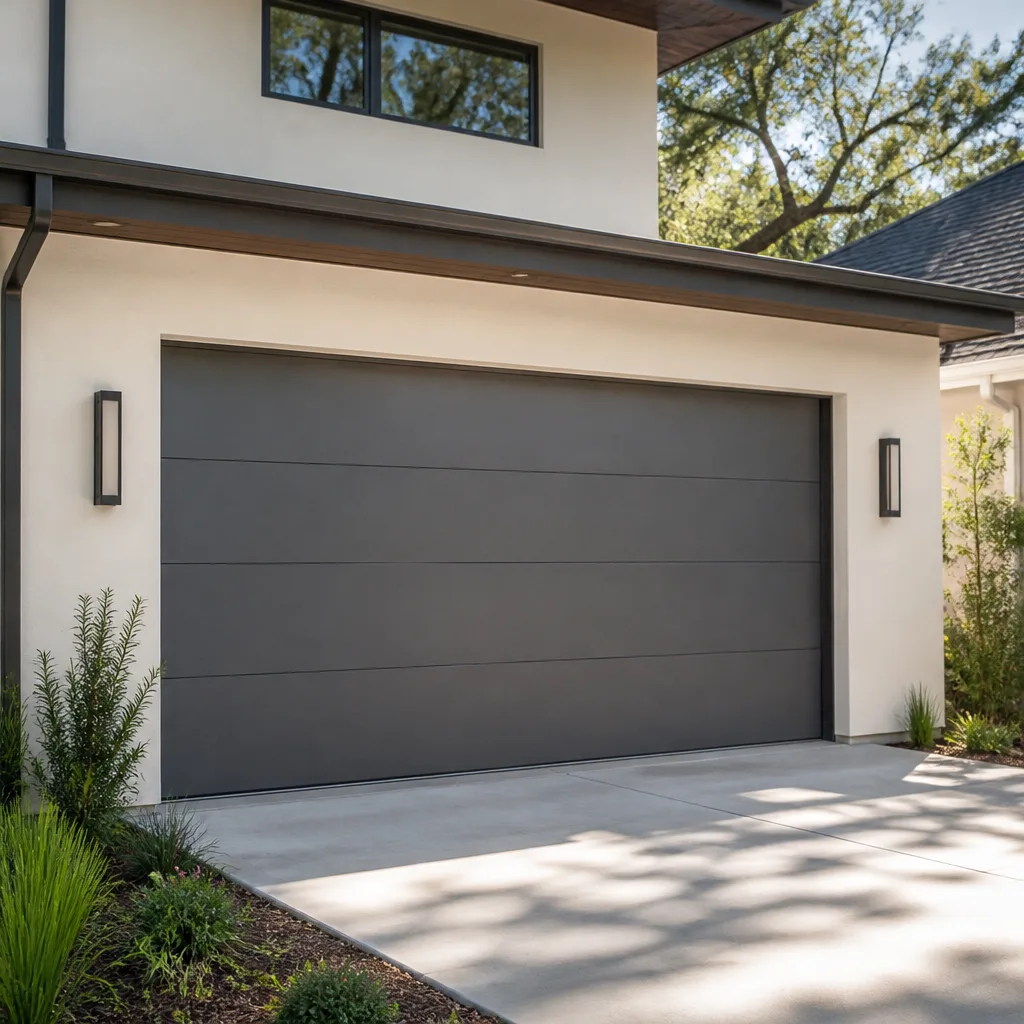 Modern flush
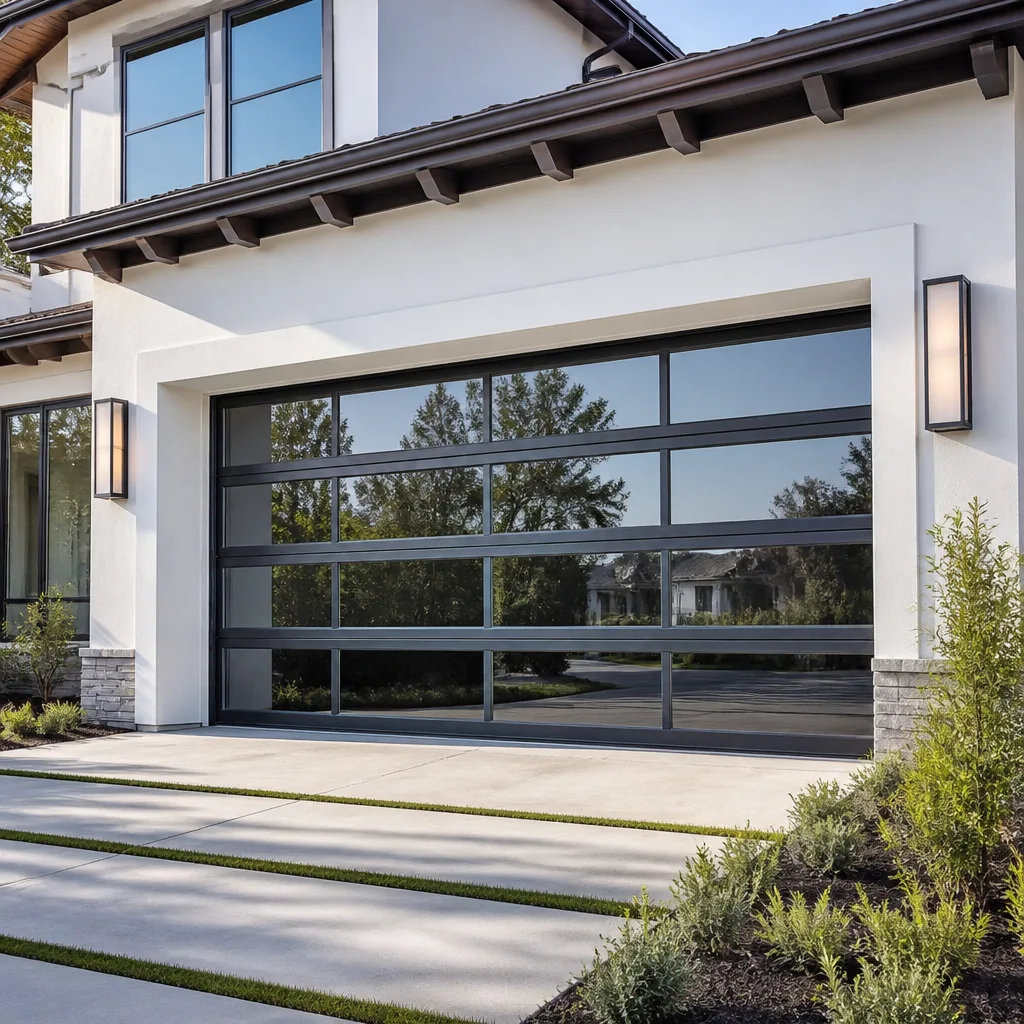 Full-view glass
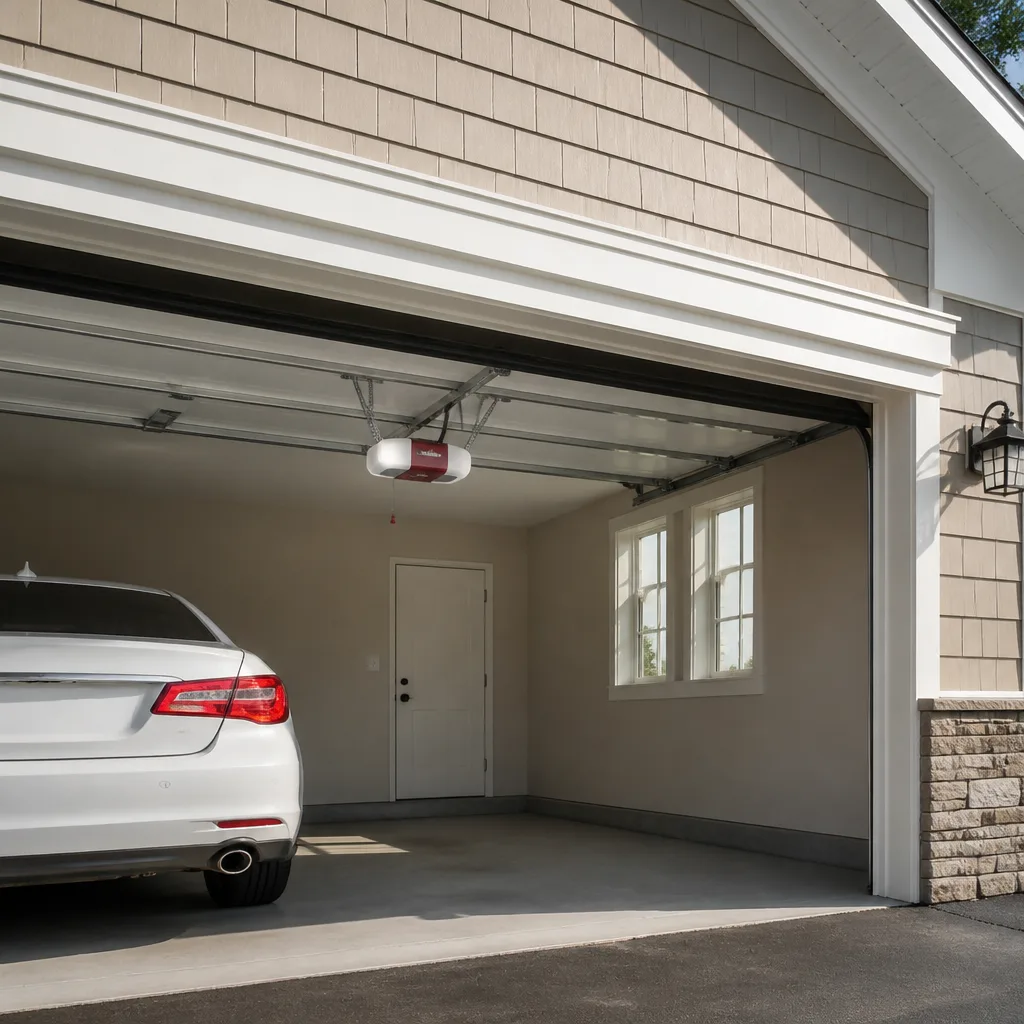 LiftMaster openers
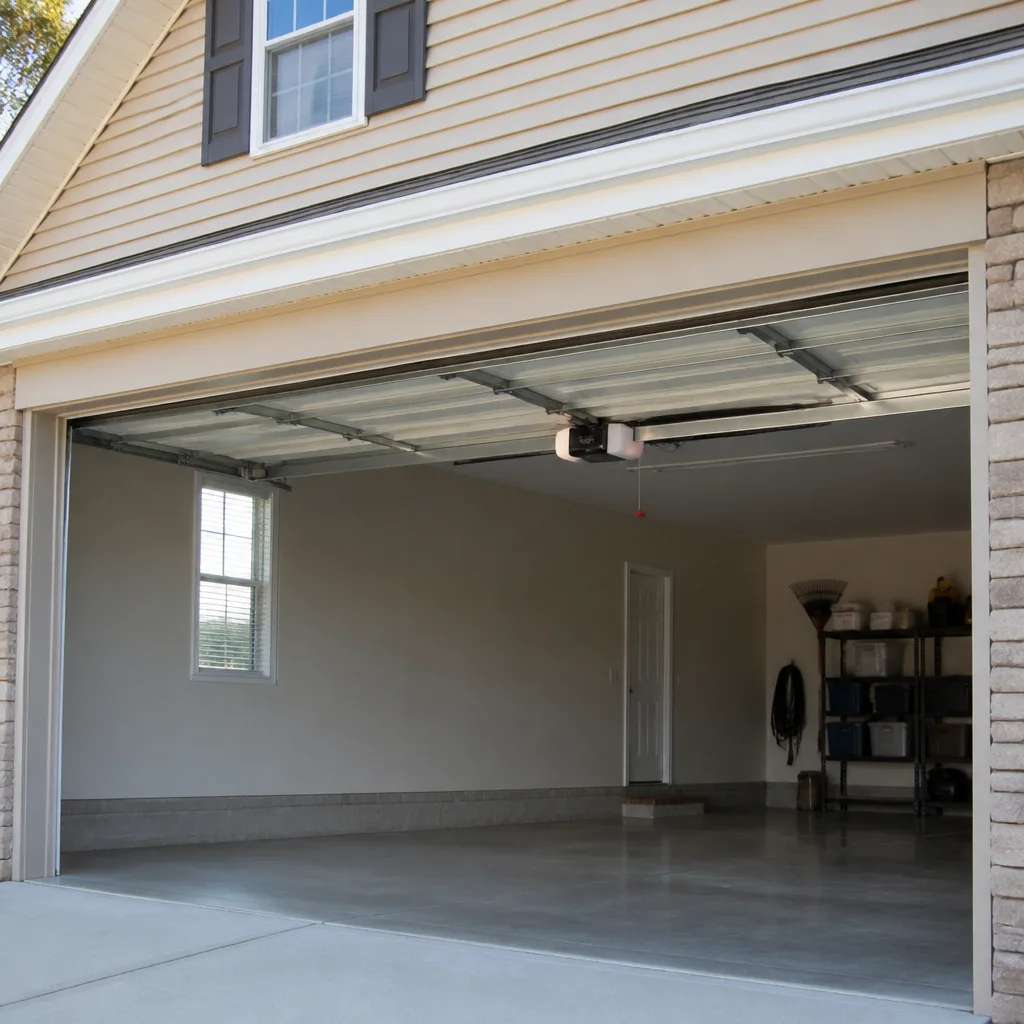 Chamberlain openers
Full 25-point door and opener safety check with every visit - springs, cables, rollers, tracks, and your LiftMaster or Chamberlain opener included
You get a price before we start. It does not change when the pro arrives.
Get your free estimateSeasonal Garage Door Care for Bay Ridge: Year-Round Homeowner’s Guide
February in Bay Ridge isn’t the same as February in Phoenix, and neither is the garage door. Torsion springs lose tension in cold, weather seals compress and crack, and the gap between your door bottom and a frost-heaved concrete apron can go from sealed to two inches overnight. Most garage door advice online is written for mild-climate suburbs where the door sits at 65 degrees all year and nothing ever freezes. That advice doesn’t transfer here. What follows is a month-by-month look at how a Bay Ridge garage door actually behaves across a full year: what to check before the first hard freeze, what summer humidity does to a wood or composite panel, why that bottom-seal gap keeps coming back every spring, and which hardware needs attention before the winter corrosion season. You’ll finish knowing what you can safely inspect yourself, what a trained technician should handle, and when a repair call is cheaper than another trip to the hardware store.
Quick Answer
Seasonal garage door care in Bay Ridge means four checkpoints a year: a pre-winter spring and balance check before temperatures drop, a mid-summer inspection of wood and composite panels as humidity peaks, a fall hardware treatment before corrosion season, and a spring thaw check on the concrete apron and bottom seal. Cold reduces effective spring tension, humidity swells wood sections, and frost heave opens recurring seal gaps. Springs, cables, and opener wiring are professional work; seals, tracks, and lubrication are homeowner maintenance. Getting this calendar right prevents most of the failures we see and keeps a door that worked in October working through February.
Styles & brands we work with
- Raised-panel steel
- Carriage house
- Modern flush
- Full-view glass
- LiftMaster openers
- Chamberlain openers
Table of Contents
- Pre-Winter: Checking Spring Tension Before the Freeze
- Summer Humidity and What It Does to Wood and Composite Doors
- Fall Hardware Prep Before Corrosion Season
- Spring Thaw: Frost Heave and the Bottom-Seal Gap
- Storm-Season Readiness and Track Bracket Checks
- Your Four-Season Bay Ridge Maintenance Calendar
- What You Can Check Yourself vs. What Needs a Technician
- Common Mistakes to Avoid
Pre-Winter: Checking Spring Tension Before the Freeze
Cold weather reduces the effective tension in a garage door’s torsion spring. Metal contracts and the spring steel loses some of its stored energy, so a door that balanced perfectly in October suddenly feels heavy, drops the last few inches when you open it, or won’t stay up on its own. In Bay Ridge’s genuine freeze-thaw winters, a spring already near the end of its life can fail outright on the first hard-cold morning, usually when someone is trying to leave for work.
Before the first freeze, walk out and test the balance. This is the single most useful pre-winter check a homeowner can do:
- Close the door, then disconnect the opener using the manual release cord.
- Lift the door by hand to about waist height and let go. A properly balanced door stays put or drifts very slowly.
- If it drops, feels heavy, or you have to hold it up, the spring isn’t doing its job.
- Open and close it a few times by hand and listen for grinding, popping, or a snap you didn’t hear in summer.
What you’re learning from this test is whether the spring still balances the door’s weight. What you must not do is adjust the spring yourself. Torsion springs are under extreme tension even when the door appears relaxed, and they can release that energy without warning. Spring repair is high-tension work that needs the right winding bars and training. If your balance test fails, that’s a job for a specialist. Our technicians have up to 9 years of experience, and spring repair is a core part of what they handle rather than a service they avoid.
This is also the moment to check the weather seal along the bottom before it hardens. A stiff, cracking seal can’t compress against the threshold, and once the cold locks it in place it stays open to drafts all winter. If it’s brittle now, replace it before the ground freezes so the new seal seats properly.
Summer Humidity and What It Does to Wood and Composite Doors
Summer in Bay Ridge brings real humidity, and wood and composite garage door sections absorb it. The questions we hear most are whether a swollen panel is cosmetic or a structural problem. The answer sits in the tracks. Some seasonal movement is normal and harmless. Swelling that changes the door’s geometry is not.
A wood or composite section that swells will press against the jambs, leaving scrape marks or a fresh shine on the paint along the track. The door may ride hard, jump, or stop partway up. If you see fresh wear marks where the rollers meet the track, the panels have grown into the frame and are now forcing the track out of line. That flexes the hinges and rollers and puts load on the opener that it wasn’t designed for.
Practical summer inspection steps:
- Look at the vertical tracks for shiny new wear paths. Marks where there were none last fall mean a panel is rubbing.
- Slide a section of the door by hand and listen for binding near a specific panel.
- Check the bottom corners for bubbling, peeling paint, or open seams. Moisture gets into wood there first.
- Confirm the door still closes flush against the seal, not just most of the way.
- For composite sections, watch for visible bowing along the panel edges near the hinges.
If a Clopay or Amarr wood-look door is binding in summer, the fix is usually a track and hinge adjustment, not a panel replacement. What you don’t want to do is paint over the rub marks and wait; that hides the symptom while the door keeps stressing the track alignment. A trained eye can tell in a few minutes whether swelling is cosmetic or the door is fighting its own opening. In our experience through Bay Ridge summers, that quick diagnosis is what separates a minor adjustment from a premature replacement.
Fall Hardware Prep Before Corrosion Season
Fall is when you treat the hardware that spends winter getting battered. Bay Ridge’s winters are wet and cold, and the metal components on a garage door take the brunt of it: hinges, roller shafts, the torsion shaft, track brackets, and every bolt that holds the door together. Corrosion there means sticking rollers, stiff hinges, and hardware that loosens as it corrodes.
Here’s the treatment plan before the cold sets in:
- Wipe down all hinges, roller stems, and the torsion shaft with a dry cloth to clear grit.
- Apply a garage door lubricant, not ordinary household oil, to the hinges, roller bearings, and the spring itself. A silicone or lithium spray made for garage doors is the right choice.
- Leave the tracks clean and dry. Never lubricate the track; it attracts grit and gums up the rollers.
- Tighten every bracket bolt and hinge screw by hand. Loose hardware lets the door wobble and fatigues the parts faster.
- Check the roller wear on each roller and replace any that wobble or have flat spots before winter.
On galvanized components, use a product meant for galvanized metal or a light silicone spray. Avoid solvent-based degreasers on galvanized surfaces, since they can strip the protective layer and actually speed corrosion. The door’s opener wiring and the wall control are worth a look too; if the wall button or remote has been sluggish, that’s a Genie or Chamberlain opener needing attention, not a door problem. A fall tune-up that catches one worn roller or a stiff hinge is far cheaper than the worn track it prevents by spring.
Spring Thaw: Frost Heave and the Bottom-Seal Gap
Every spring, Bay Ridge homeowners replace a bottom seal that keeps failing. The rubber isn’t the problem. Frost heave is. When the ground freezes, it lifts the concrete apron under the garage opening, and when it thaws, that slab can settle back slightly unevenly. The result is a high spot or dip in the apron that leaves a gap between the door bottom and the floor. You replace the seal, winter comes, the ground heaves again, and the gap returns.
Diagnosing this correctly means looking at the apron, not the seal. A few checks will tell you whether you have a frost-heave problem:
- Crouch inside, shut the garage and look for daylight under the door. Where is the gap widest? Directly under a specific spot is a clue.
- Lay a straightedge or a level along the apron under the closed door. A rock or dip tells you it’s the slab, not the seal.
- Check whether the gap appears in the same spot every spring. A recurring gap in one location is almost always slab movement.
- Examine the seal itself for uniform flattening versus one crushed or torn section.
When the gap is a slab issue, a standard bottom seal can’t fix it. The right answer is a thicker or adjustable bottom seal that conforms to the uneven apron, or a threshold seal added to the floor, so the door closes flush against the high and low points. Those options give you a lasting seal instead of a seasonal patch. If the door bottom itself is bent or the retainer is damaged, that’s when you want a professional looking at the whole bottom assembly and the door’s track alignment at the same time, because a door that closes crooked will always gap somewhere.
Storm-Season Readiness and Track Bracket Checks
Garage doors are the largest moving opening in most houses, and horizontal track brackets are what hold the door under load. When a high-wind storm rolls through Bay Ridge, the door takes the pressure, and a bracket that has loosened over the season is where it will fail. The point of storm-season readiness isn’t to storm-proof the door; it’s to make sure the door holds its own weight and the brackets are tight before the pressure hits.
Run this check before the windy months:
- Look at each horizontal track bracket on both sides of the opening, then test each bolt by hand. Anything that moves needs tightening.
- Confirm the track is level and straight. A track that has drifted from level lets the door ride unevenly under load.
- Check that the door sits square in the opening when closed, with even gaps on both sides.
- Test the opener’s safety reverse feature: place an object in the door’s path and confirm the door reverses on contact. If it doesn’t, stop using the opener until it’s repaired.
- Look at the roller brackets at the top corners of the door, which carry the most load during a storm.
If any bracket bolt won’t hold tight or a track has moved more than a small amount, that’s a technician’s job, because adjusting one part moves the others. A loose bracket isn’t a loose bolt; it’s a bracket that may be pulling out of its anchor, and tightening it wrong can make it worse. Getting the whole assembly checked before storm season is one of the highest-value things you can do for a Bay Ridge garage door each year. If something does go wrong and a door is stuck, we handle emergency garage door response for situations that create a security or access problem.
Your Four-Season Bay Ridge Maintenance Calendar
This is the short version you can pin to the garage wall. Each season has one primary job and a couple of quick secondary checks.
Fall (before the first freeze): Lubricate hinges, rollers, and springs; tighten all bracket bolts; replace worn rollers; test the door’s balance by hand. This is the season to get spring condition looked at, because a tired spring is most likely to fail in cold weather.
Winter (during and after freezes): Keep the bottom seal clear of ice; listen for pops or snaps when operating the door; reduce strain on a heavy-feeling door by using the opener less and calling for spring help if the balance test fails. A door that gets noticeably heavier in the cold is a door telling you the spring has lost its reserve.
Spring (after the thaw): Check the apron for frost heave; inspect the bottom seal; look for daylight gaps under the door; verify the door still sits square. This is also when to have a sticking or binding door checked before summer swelling adds to the problem.
Summer (humidity peak): Watch wood and composite panels for swelling and rubbing; check tracks for new wear marks; confirm the door closes flush. Run the safety-reverse test on the opener.
One thing this calendar doesn’t do is replace a professional tune-up on a door that’s more than a few years old. A once-a-year inspection by a technician catches spring wear and track drift that are invisible from the outside. Our garage door repair Bay Ridge service covers exactly this kind of seasonal inspection, so you’re not guessing at the state of a door that’s about to give out.
What You Can Check Yourself vs. What Needs a Technician
Some seasonal care belongs in your hands. Some absolutely does not, and knowing the line is the most important part of this guide.
Safe for homeowners: lubricating hinges and rollers, cleaning the tracks, tightening visible bracket bolts by hand, replacing a bottom seal, wiping down hardware, and running the balance test by lifting the door by hand. Testing the opener’s safety reverse is also a homeowner job.
Professional work: anything involving the torsion spring, the cables, the drums, or the torsion shaft. These components hold enormous stored energy, and loosening the wrong bolt can cause an uncontrolled release that can injure hands or worse. Adjusting track alignment is also professional work, because tracks carry the door’s weight and a small miscalculation puts the door off square. Opener wiring and electrical faults should be handled by a trained technician as well.
The easiest way to think about it: if a part can move the door’s weight, it’s a technician’s part. If it just keeps the door sealed or quiet, it’s a homeowner’s part. Most of the serious garage door failures we see started with a homeowner trying to save money on a spring adjustment. Our garage door repair service exists because that balance test is worth taking seriously, and a professional can tell you in minutes whether a door needs a spring, a track adjustment, or just lubrication. Spring repair is high-tension work, and it’s worth treating it that way.
Common Mistakes to Avoid
- Replacing the bottom seal without checking the apron. Frost heave causes the gap, so a new seal will gap again next spring in the same spot. Diagnose the slab before you buy another seal.
- Adjusting the torsion spring yourself. This is the single most dangerous garage door job. Springs hold energy even when the door is closed, and a slip can cause a serious injury. Leave it to a trained technician.
- Lubricating the tracks. It seems like it will quiet the door, but it attracts grit that wears out the rollers faster. Keep the tracks clean and dry and lubricate the hinges and roller bearings instead.
- Ignoring a door that gets heavier in cold weather. A door that worked in October and drags in February is telling you the spring has lost tension. Waiting for it to fail in the middle of winter is not a plan.
- Painting over summer rub marks on wood panels. Those marks mean the panel is pressing into the frame. Paint hides the symptom while the track keeps getting stressed.
- Skipping the fall bracket check. A loose horizontal track bracket is where wind load turns into a bent track or a dropped door. Tighten them before storm season, not after.
- Treating a brand-specific opener as generic. A Genie or Chamberlain opener has its own parts, settings, and quirks. The right parts and procedures prevent repeat failures.
See the difference
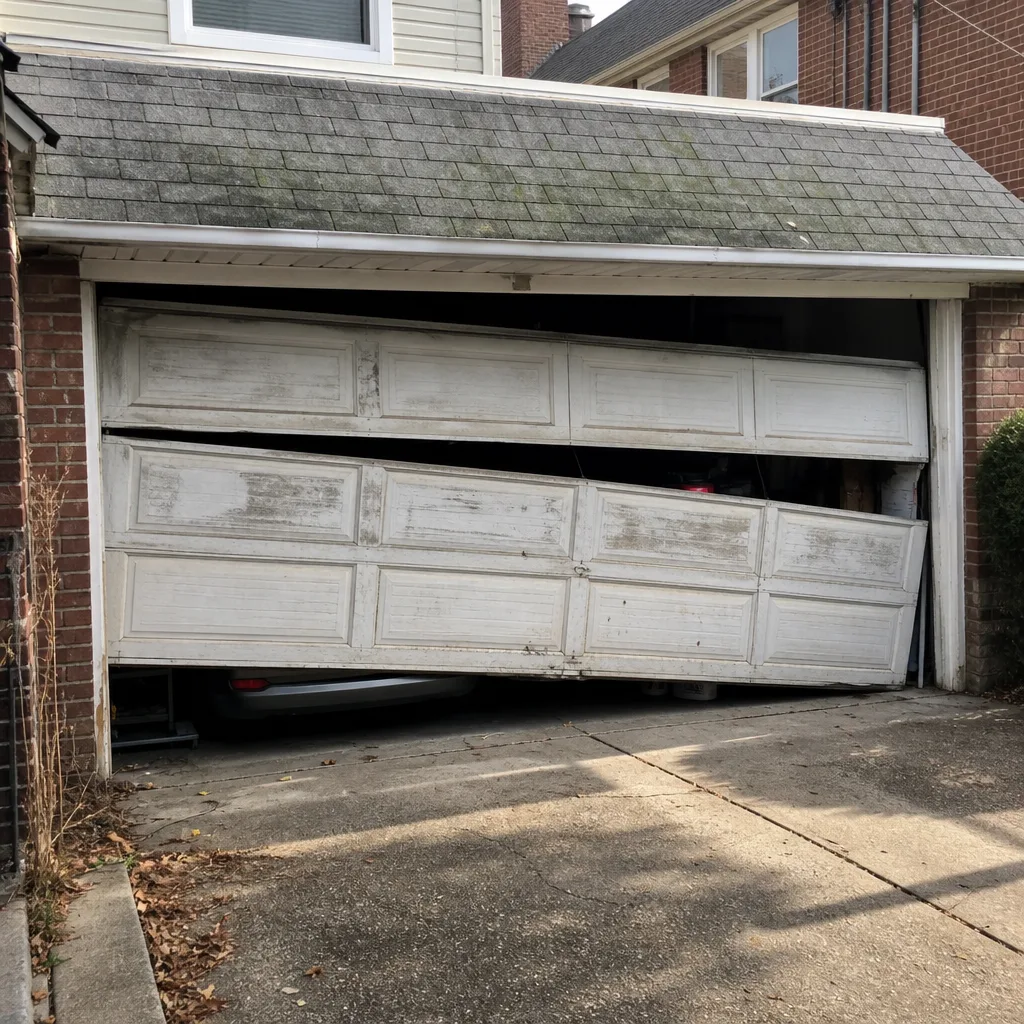 Before
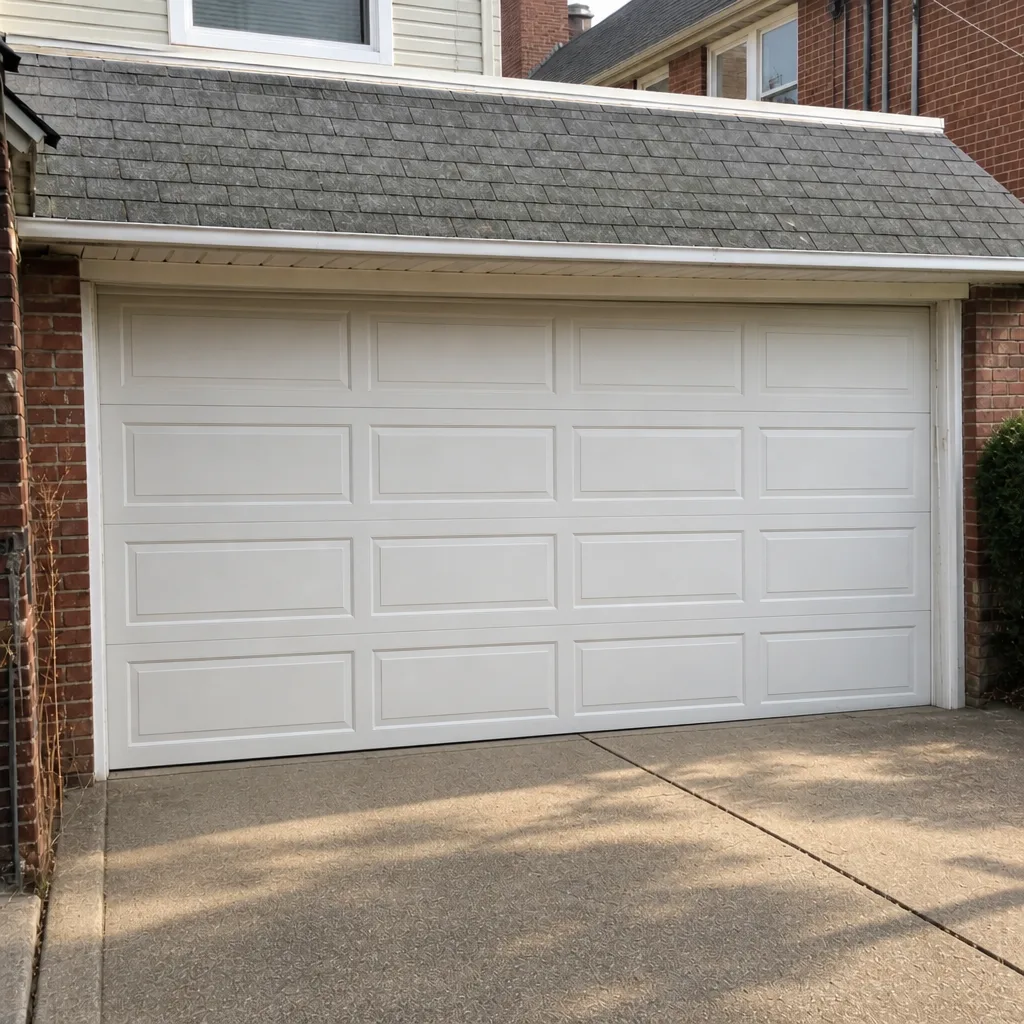 After
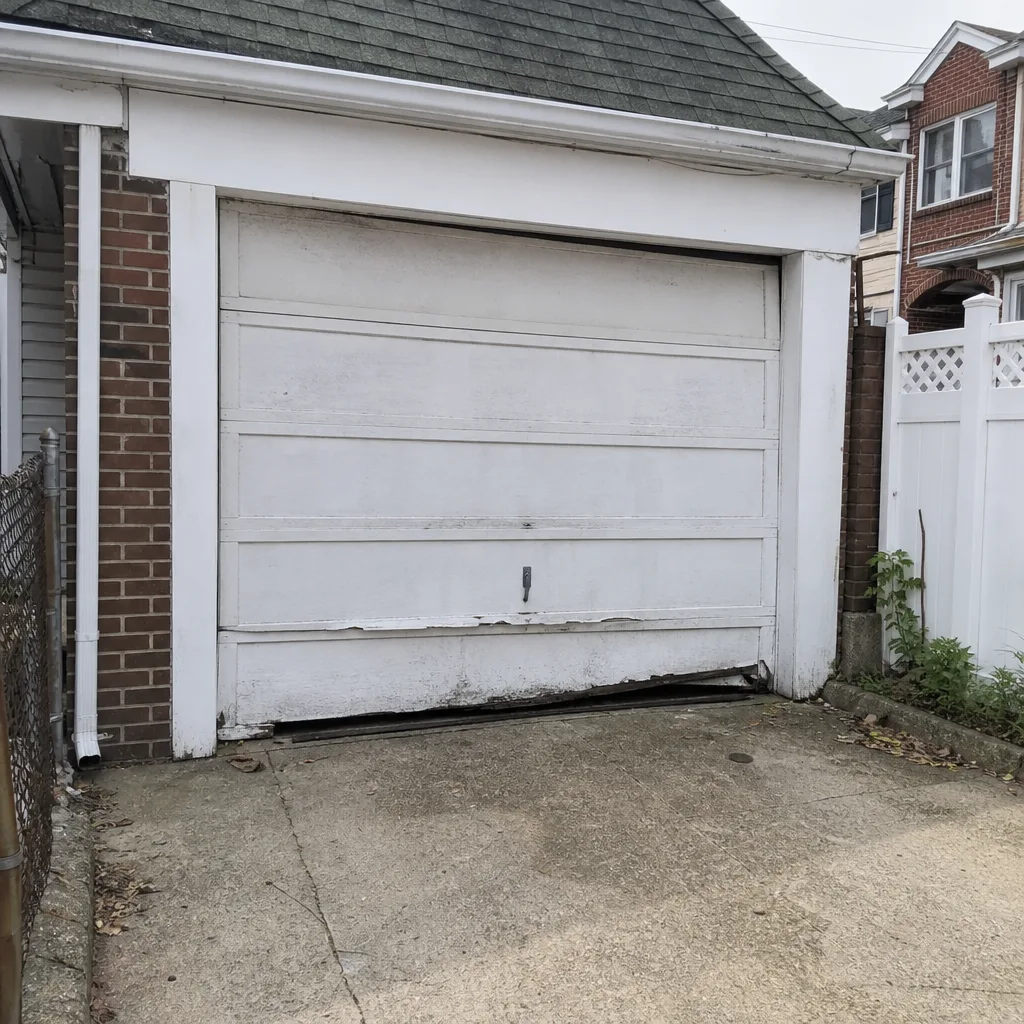 Before
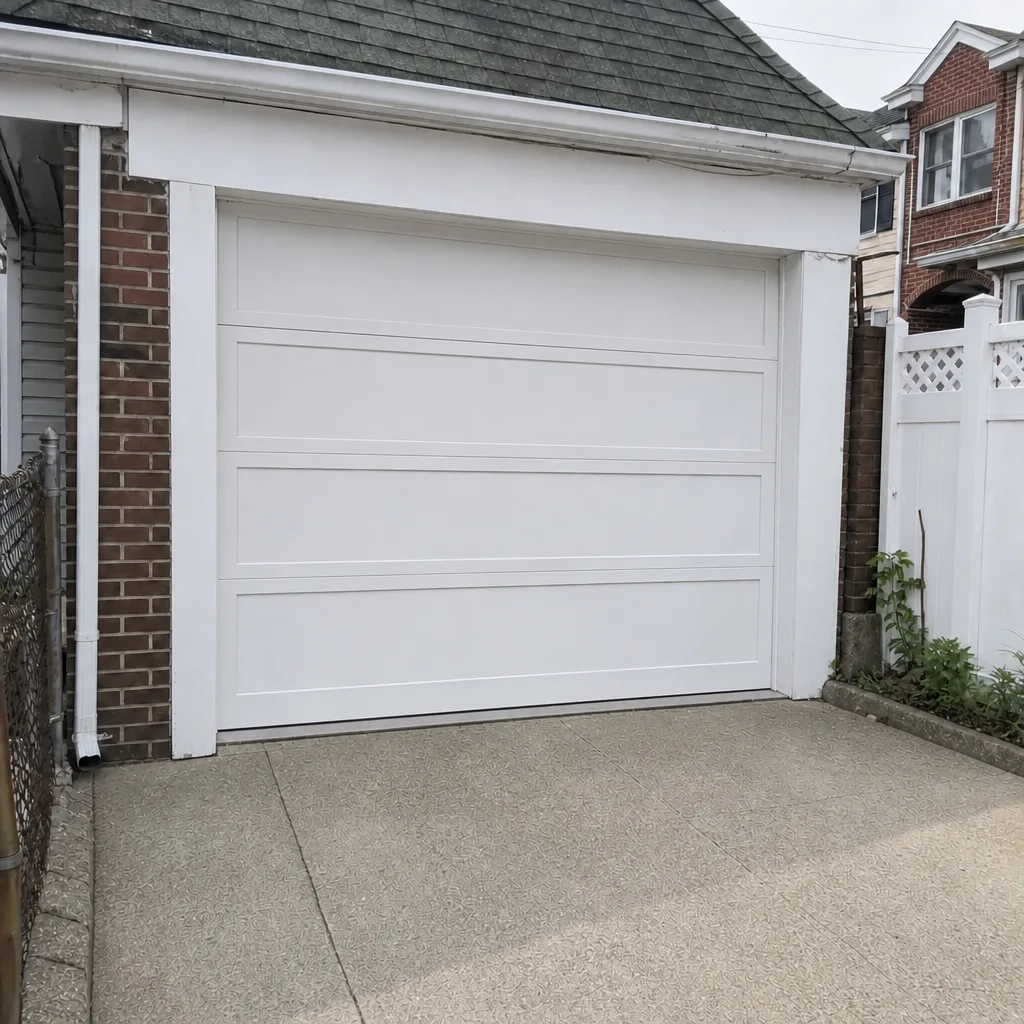 After
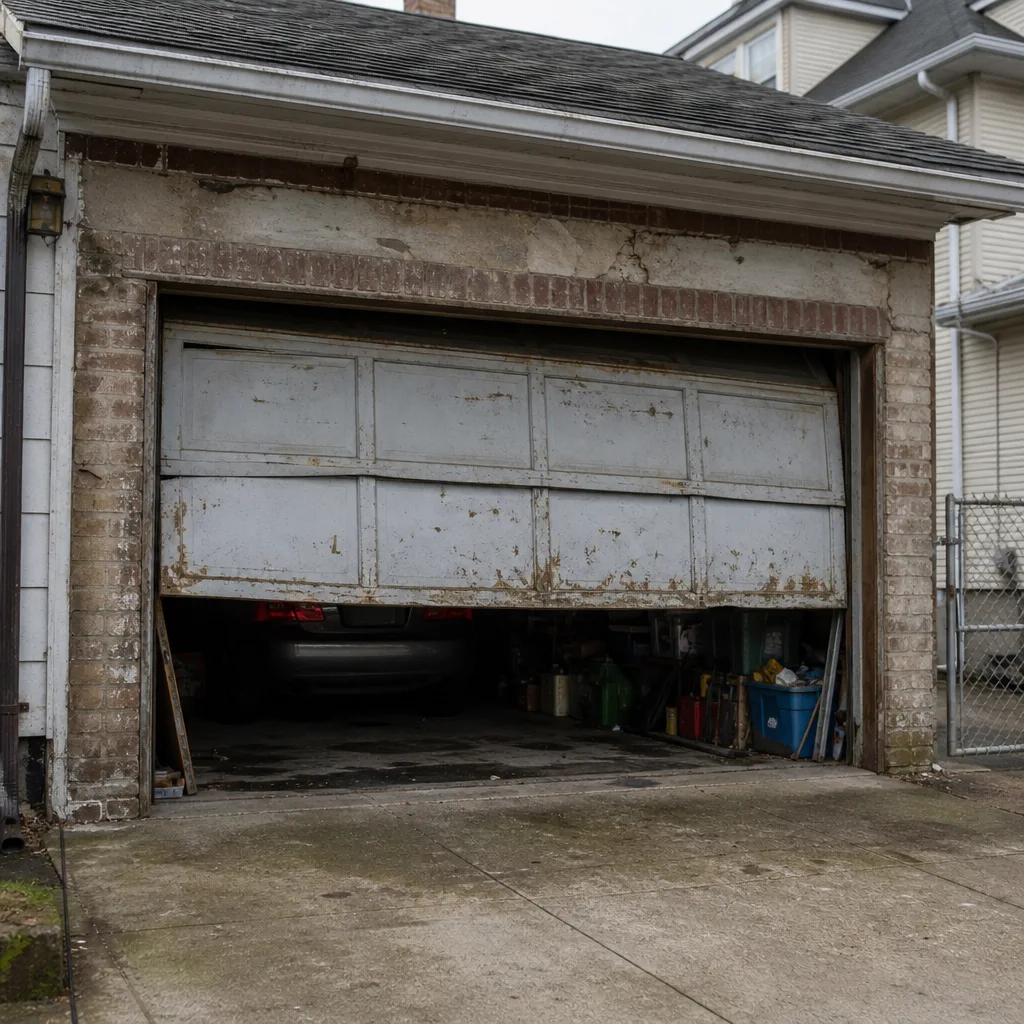 Before
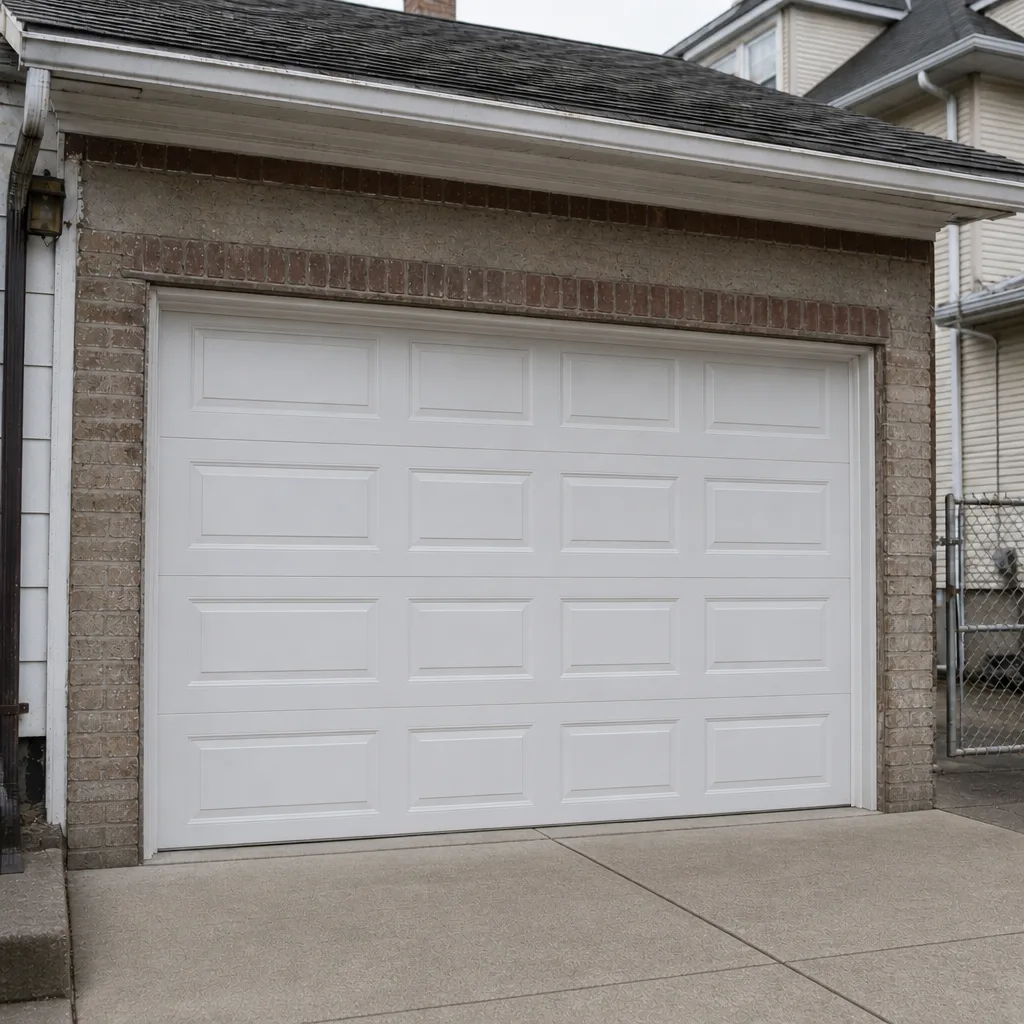 After
When to Call a Professional
Call when the door won’t balance on the hand test, when you hear a loud snap or pop, when a cable looks slack or frayed, or when the door is crooked in the opening. Call if the bottom seal gap keeps returning after a replacement, which points to frost heave and a seal or threshold that needs to fit the actual apron. Call when an opener doesn’t reverse on command in the safety test, or when the door binds during summer and the track shows new rub marks. And call when a storm leaves a bracket loose or a track out of line, because adjusting one part of a garage door assembly moves the rest. Garage Door Repair Bay Ridge offers free estimates in Bay Ridge – call (866) 937-8127. We answer 24/7. Fast dispatch from 7am to 7pm, Sunday through Friday.
Frequently Asked Questions
Once a year for a full professional tune-up, plus the four homeowner checkpoints in this guide. Bay Ridge’s freeze-thaw winters and humid summers put more seasonal stress on a door than a mild climate does, so the annual inspection matters more here than in places with stable weather. Between pro visits, the fall balance test and spring apron check catch the changes that lead to failures.
Cold reduces the effective tension in the torsion spring, so the spring no longer balances the door’s weight. A door that feels heavy in February may need a spring evaluation rather than a repair. If the hand-balance test fails, have a technician look at the spring; don’t adjust it yourself. Call (866) 937-8127 for an exact quote – estimates are free.
Frost heave lifts and settles the concrete apron, leaving a high spot or dip under the door, so a standard seal can’t close the gap. Check the apron with a straightedge before replacing the seal again. An adjustable or thicker seal, or a threshold added to the floor, solves it. Have a technician size the right seal to your apron for an exact quote.
No. Torsion springs are under high tension and can release stored energy suddenly, even when the door is closed. Spring repair requires winding bars and specific training, and a mistake can cause serious injury. This is the one seasonal job we tell every Bay Ridge homeowner to leave to a professional.
Usually not. Summer humidity swells wood and composite sections, and they can press into the tracks. The right first step is a track and hinge adjustment, not a new door. If a Clopay or Amarr door has been binding for a while, have the track alignment checked before considering replacement.
Check that every horizontal track bracket is tight, the track is level, and the door sits square in the opening, then test the opener’s safety reverse. A loose bracket is where wind load turns into a track failure. If a bracket won’t hold or a track has moved, a technician should reset the whole assembly. Call (866) 937-8127 for an exact quote – estimates are free.
The Bottom Line
Seasonal garage door care in Bay Ridge runs on a different calendar than generic guides describe. Fall is for lubricating hardware and checking spring balance before the cold drains its tension. Winter demands attention to a door that gets heavy or pops. Spring is when frost heave opens the gaps that get blamed on the seal. Summer asks you to watch wood and composite panels for swelling that stresses the tracks. Get those four checkpoints right and most failures never happen. Keep spring, cable, and track work in the hands of a trained technician, handle the seals and lubrication yourself, and the door at the center of your home keeps doing its job through every season. When a door needs repair, an opener needs service, or the whole thing needs replacing, our garage door opener repair and garage door installation teams handle it. We service LiftMaster, Chamberlain, Genie, Clopay, Amarr, Wayne Dalton, Craftsman, and Raynor doors and openers, with the right parts and procedures for each brand.
Call Garage Door Repair Bay Ridge at (866) 937-8127 for a free estimate on any garage door service in Bay Ridge. We answer 24/7. Fast dispatch from 7am to 7pm, Sunday through Friday.
Written by the team at Garage Door Repair Bay Ridge.