
Last updated November 21, 2026
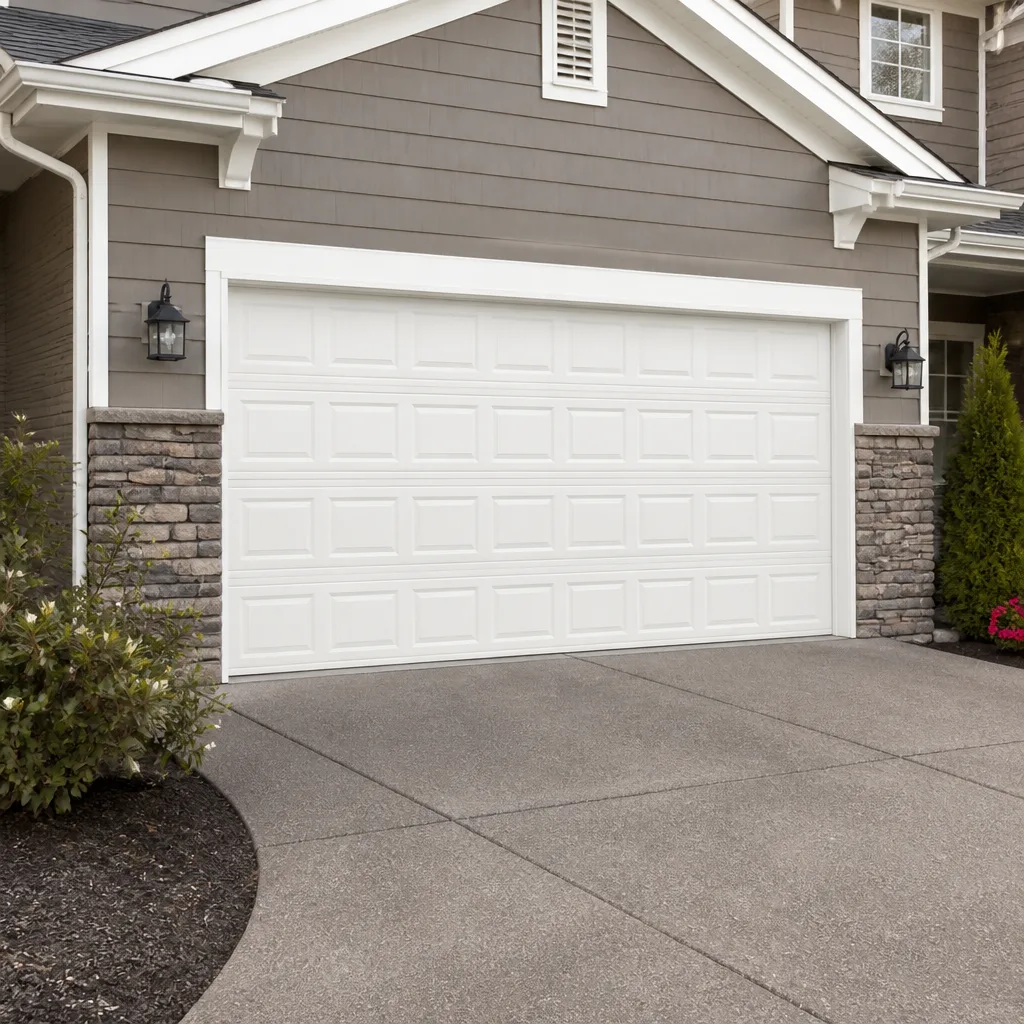 Raised-panel steel
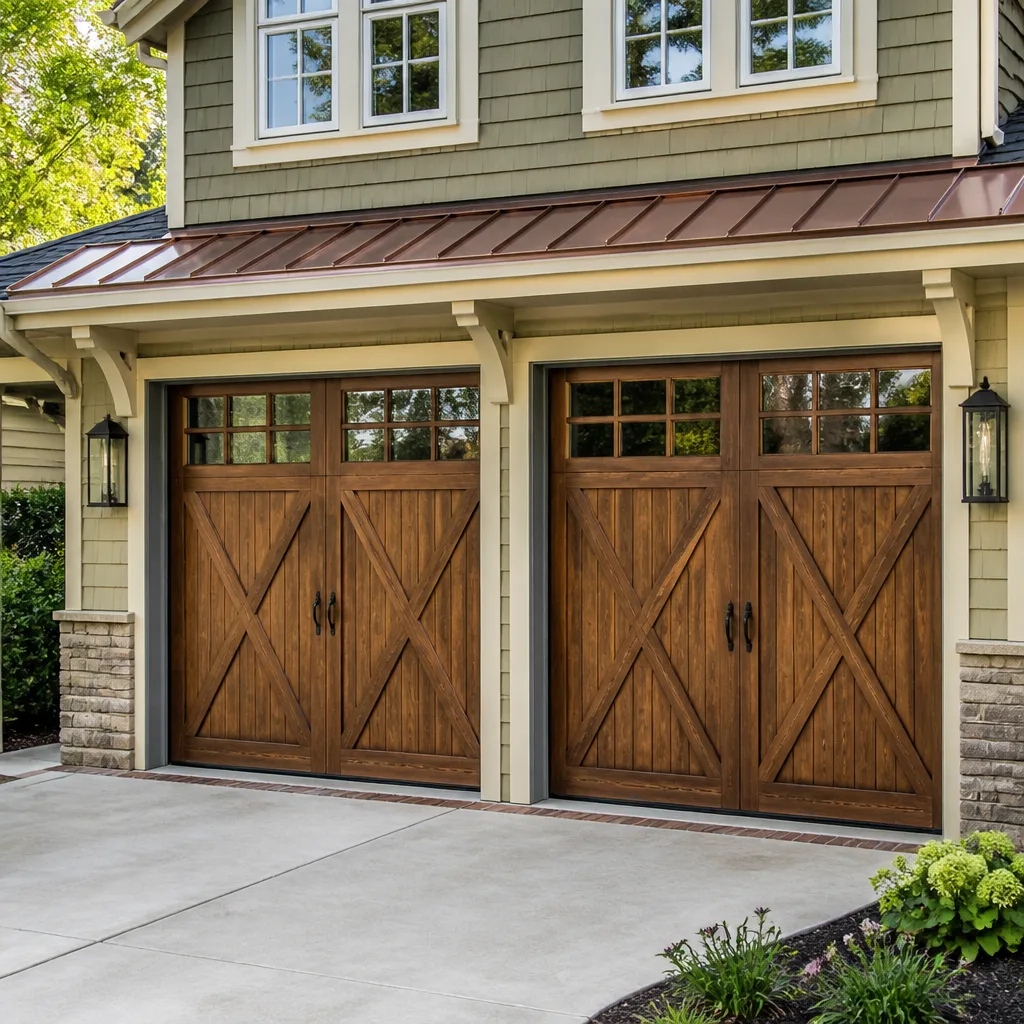 Carriage house
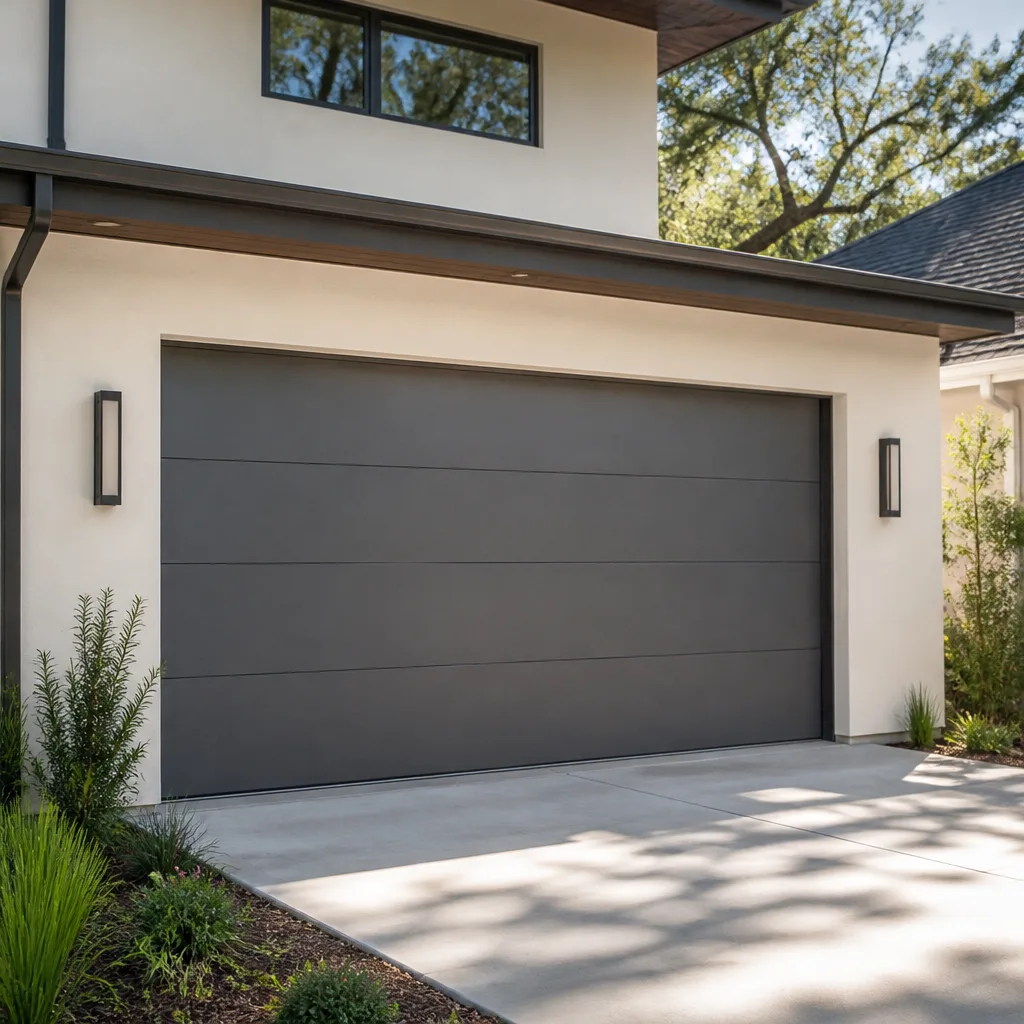 Modern flush
 Full-view glass
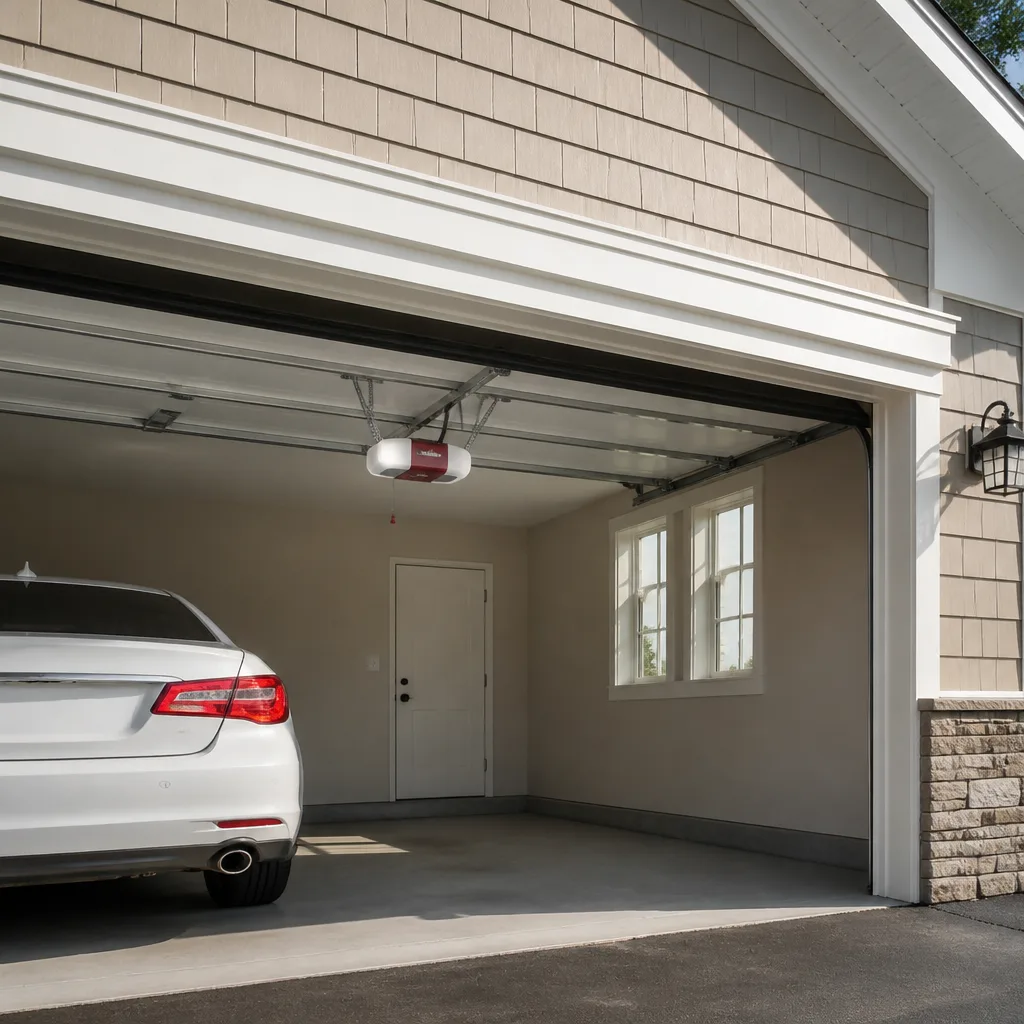 LiftMaster openers
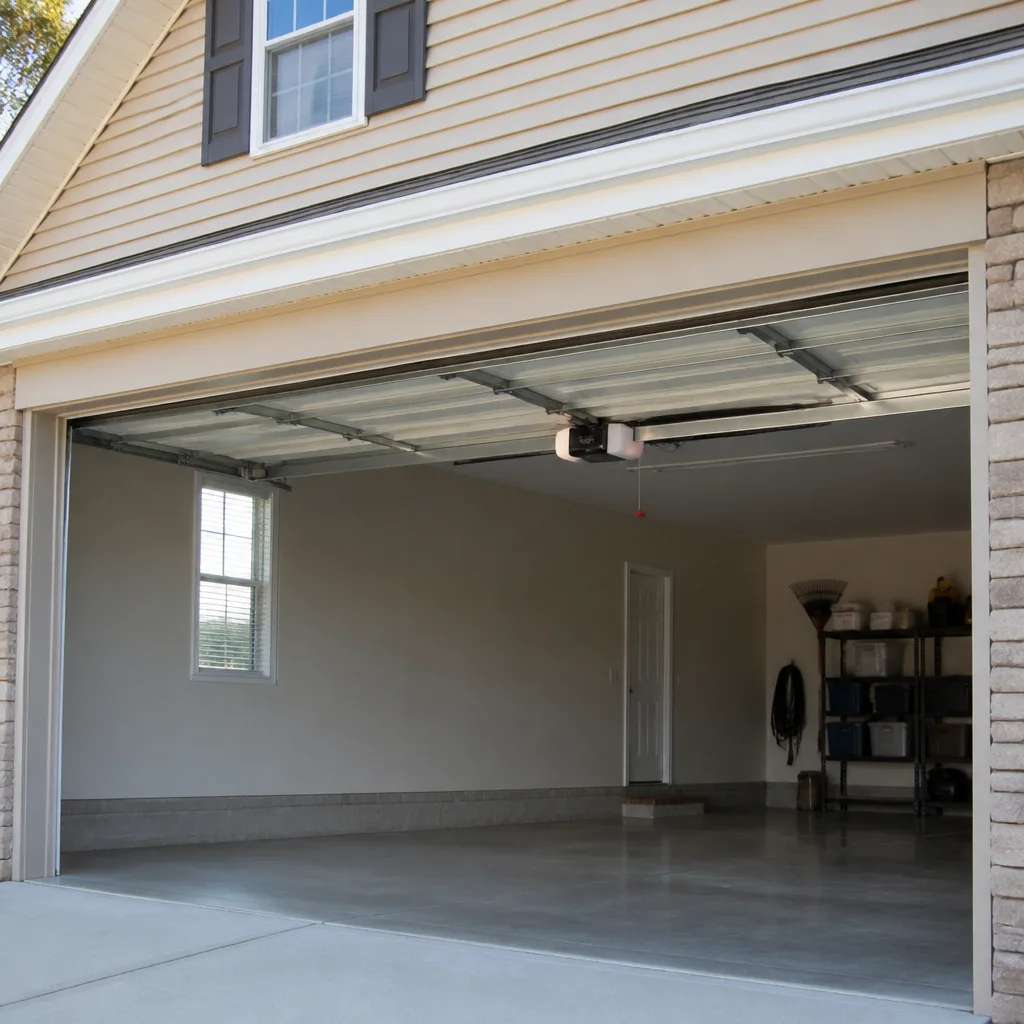 Chamberlain openers
Full 25-point door and opener safety check with every visit - springs, cables, rollers, tracks, and your LiftMaster or Chamberlain opener included
You get a price before we start. It does not change when the pro arrives.
Get your free estimateDIY vs Professional Garage Door: The Bay Ridge Homeowner’s Decision Guide
Replacing a bottom weather seal is a reasonable Saturday project. Adjusting a torsion spring is not, and the difference isn’t about being handy. It’s about whether the thing you’re touching stores enough energy to break a wrist if you lose control of it. Most garage door advice online treats the whole door as one job, so it either frightens you off a task you can genuinely do or waves you toward one you shouldn’t touch. We’d rather draw the line honestly. This guide walks through the tasks a careful Bay Ridge homeowner can safely handle, the ones that need a trained technician regardless of skill level, what parts and tools actually cost to get here in Brooklyn, and how to be a useful participant when someone is working on your door.
Styles & brands we work with
- Raised-panel steel
- Carriage house
- Modern flush
- Full-view glass
- LiftMaster openers
- Chamberlain openers
Quick Answer
In a house with a standard sectional door, you can safely replace weather seals, tighten loose hinges, lubricate rollers and tracks, rebalance a door’s travel limits on the opener, and replace a remote or keypad battery. Anything involving the torsion spring, the cables, the bottom bracket, or the track’s structural alignment needs a trained technician, because those parts store or transfer enough energy to injure you badly when they let go. A good rule for Bay Ridge: if the repair makes you reach above the door’s top panel or touch a cable, stop and call a professional.
Table of Contents
- What a Torsion Spring Actually Stores, and Why It Matters
- Green-Light DIY: Tasks You Can Handle Safely
- Red-Light Tasks: Trained Technician Only
- Tools and Parts Access in Brooklyn: The Real Constraint
- The Cost-of-Failure Math on a DIY Attempt
- What Repair and Replacement Typically Run in Bay Ridge
- How to Be a Useful Participant During the Service Call
- When to Call a Professional
- Frequently Asked Questions
- The Bottom Line
What a Torsion Spring Actually Stores, and Why It Matters
A torsion spring isn’t a heavy object. It’s a coil of steel wire a few feet long that has been wound under tension and is expected to hold that tension indefinitely. When you see a spring in a Bay Ridge garage, what you’re looking at is not a piece of hardware; it’s a stored force that is doing constant work, lifting a door that may weigh a few hundred pounds, and doing it hundreds of times a year.
That’s the plain version. The slightly more useful version is this: a wound spring is in a state that wants to unwind, and it is held there by bolts, brackets and a metal shaft. As long as those fasteners hold and the spring is intact, the door goes up and down. When the spring fatigues and breaks, or when a fastener is loosened for a repair and the spring releases, the energy leaves the spring in an instant. That’s the hazard. It isn’t a slow, predictable failure you can step back from. It’s a sudden one.
The cables and the bottom bracket are part of the same system. Cables run under real tension from the spring to the bottom corners of the door, and the bottom bracket is the fitting that anchors the cable to the door. Loosening either of those without first relieving the spring’s tension is the specific mistake that turns a small repair into a serious injury. This is why the trade treats spring work as its own category rather than folding it into general repair.
We aren’t telling you the door is a bomb sitting in your garage. Most doors sit for years without issue. We are telling you that a wound spring is a stored force you should treat with the same respect you’d give any loaded mechanism, and that when it fails, the outcome doesn’t leave much room for a second try. If the spring is broken, or if a cable is slack, or if the door is hanging crooked on one side, that’s the point to call in help. Our team handles garage door repair including the high-tension work every day, and we’d rather fix it for you than coach you through something with that kind of margin.
Green-Light DIY: Tasks You Can Handle Safely
These are the jobs that make a door work better without putting you near stored energy. They’re worth doing yourself. They’re also the ones that keep a door reliable between professional visits.
- Replace the bottom weather seal. The seal is a rubber or vinyl strip that runs across the bottom edge of the door and sits in an aluminum retainer. You slide the old one out, slide the new one in, and trim it to length. It takes a screwdriver, a utility knife and a few minutes. If the door lives through Brooklyn winters, a stiff or cracked seal lets cold air, water and grit under the door. Replacing it is a real improvement you can make in an afternoon.
- Lubricate rollers, hinges and tracks. Use a silicone or lithium spray on the moving metal parts and wipe the excess. Never use heavy grease; it collects grit and turns the tracks into a grinding paste. Do this twice a year and the door runs noticeably quieter.
- Tighten loose hinge and bracket bolts. A door that has been rattling for a while often just has loose bolts at the hinge plates. Tightening them is a five-minute fix with a socket wrench. Don’t tighten anything at the bottom bracket or at the spring plates.
- Wipe the tracks and check them for bends. Run a clean rag along the inside of the track to clear dust and debris. Look for dings or kinks. A slightly bent track can often be gently pushed back into shape, but if it’s bent badly enough that a roller won’t run smoothly, that’s a call.
- Replace a remote battery, keypad battery or opener light bulb. These are the easiest wins in the whole system. A dead remote is almost always a battery.
- Set and adjust the opener’s travel limits. Your opener’s manual will tell you where the travel limit screws are. Adjusting them so the door closes flush without jamming is a reasonable adjustment for a homeowner who reads the instructions.
- Clear the photo-eye sensors. If the door won’t close, the sensors near the floor are the first thing to check. Wipe the lenses and make sure nothing, including a rake or a bag of road salt, is blocking the beam.
If a task on this list turns into something else halfway through, which happens, put the tools down and step away. That’s not a failure; it’s the judgment a careful homeowner is supposed to exercise.
Red-Light Tasks: Trained Technician Only
Some jobs are not skill-gated. They are category-gated. It doesn’t matter how handy you are or how many videos you’ve watched. If the door requires touching these parts, the only safe move is to keep your hands off and get a professional. This is where the specialism earns its place.
- Torsion spring replacement or adjustment. Winding or unwinding a torsion spring requires winding bars and specific technique. It’s the single most dangerous task on a garage door. There’s a reason spring repair is a dedicated part of the trade and not something you’ll find on a general handyman’s card.
- Extension spring replacement. Older Bay Ridge doors sometimes carry extension springs. Those springs can fail and fly; they’re typically supposed to be contained by safety cables, and when the cables are missing or broken, the risk climbs. Replacing extension springs is not a homeowner job.
- Cable replacement or re-tensioning. Cables run under real tension and can whip when they let go. Do not loosen the bottom bracket or the cable drum.
- Bottom bracket and bottom roller bracket work. The bottom bracket is the anchor that holds the cable. It’s part of the tension system, not a hinge.
- Track realignment after impact. If the door has been hit or a roller has come out of a track and bent it, the geometry of the whole system has shifted. It needs a trained measurement and correction.
- Opener motor replacement or logic-board work. Replacing an opener isn’t dangerous in the way springs are, but it’s a mismatch trap: the wrong opener paired to your door’s spring balance produces exactly the repeated failures we get called about. Brand-specific parts matter. Our team services garage door opener repair for LiftMaster, Chamberlain, Genie and the other major lines, and pairing the right opener to your door is part of that.
If you’re not sure which category a problem falls into, call and describe it. We can tell you in a sentence whether it’s a green-light job or not. That’s free, and it’s not a sales pitch. If a homeowner can tighten a hinge, we’d rather have them do it than pay us.
Tools and Parts Access in Brooklyn: The Real Constraint
The skills question is only half the story. The other half is whether a Bay Ridge homeowner can get the right parts and tools without a trade account.
For green-light jobs, the neighborhood hardware stores in Bay Ridge and along 86th Street, 13th Avenue and 3rd Avenue generally stock what you need: silicone lubricant, replacement weather seal in common widths, batteries, and general hand tools. Those are easy. If you live in a townhouse block in Bay Ridge and just need to replace the bottom seal, that’s a realistic Saturday.
For the red-light jobs, the parts picture changes. Torsion springs are not a commodity you match by length. A spring is specified by wire gauge, inside diameter, length and the number of coils, and getting any one of those wrong shifts the balance of the entire door. Ordering the wrong spring is not just money wasted; it can be a door that hangs badly or fails again quickly. Cables are similarly specified. Opener logic boards and motor assemblies vary by manufacturer and even within a single brand’s model line, which is why matching parts to a LiftMaster or Chamberlain unit requires the model number, not a visual guess. Most online suppliers will sell a homeowner a spring. That doesn’t mean it’s the right one for the door.
There’s also the practical problem of scope. The trade pricing that a professional pays for parts is often a meaningful part of the difference between a repair you can afford and one you can’t. Access to trade channels isn’t a mystery; it’s just a different supply chain. For a job on this list, professional service is usually the shorter and cheaper route.
The Cost-of-Failure Math on a DIY Attempt
Here’s the honest math. The only thing that matters on a red-light task is what a mistake costs you, and a mistake on a spring or a cable has three costs stacked on top of each other: the injury, the damage, and the repair.
The injury cost is not a number we can put in a table. It’s the reason this section exists. A released torsion spring or a whipping cable can cause a serious hand, wrist or face injury, and that’s a cost no repair is worth. We don’t say this to alarm you. We say it because a wound spring is the wrong place to learn by trial and error.
The damage cost is more measurable. If the door comes down out of balance, it can take the opener with it. If a track is bent or a panel is warped by a door that drops unevenly, a repair that started as a spring or a seal becomes a panel or an opener job. What started as a small fix now includes more parts and more labor.
The repair cost is where people feel it. A door that’s been taken off balance can need rebalancing, spring work and a track correction, which is more work than the original problem. The comparison isn’t “DIY saved me a professional bill.” It’s “the professional bill plus the cost of fixing what went wrong.” For the green-light tasks, DIY saves real money. For the red-light tasks, the failure math usually goes the other way, and that goes double when the mistake touches the door’s balance.
This is the case for treating the door as two systems: the safe-to-touch perimeter (seals, hinges, rollers, lubrication, sensors, opener settings) and the hands-off core (springs, cables, bottom bracket, structure). Once you draw that line for yourself, the decision gets simple. You don’t need to be told you’re not handy enough. You just need an accurate map of where the line sits.
What Repair and Replacement Typically Run in Bay Ridge
Garage door pricing in Bay Ridge and across Brooklyn is set per job by a written estimate, not by a menu of fixed prices. The ranges below are typical estimates for the common work; the exact price depends on your door’s size, weight, model and condition, and the written estimate you receive is the price you pay. The estimate is free, and the price is quoted and agreed before any work starts.
- Torsion spring replacement (one spring): typically $180 to $340, parts and labor. Most doors have two springs and a matched pair is usually replaced together, so a pair typically runs roughly double that.
- Extension spring replacement (per spring): typically in the same range as a torsion spring, depending on the door’s setup.
- Cable replacement (per cable): typically $120 to $220, including re-tensioning.
- Roller replacement (full set of 10 to 12): typically $130 to $240.
- Hinge replacement: typically a few dollars per hinge plus labor, and it’s a small job when done as part of another repair.
- Bottom weather seal replacement: typically $90 to $180, parts and labor, depending on width and retainer type.
- Opener repair (board, motor, gear or safety sensor): typically $150 to $400, depending on the part and the brand. Servicing a LiftMaster or Chamberlain board is a repair, not a replacement unless the unit is beyond it.
- Opener replacement (unit and install): typically $450 to $850 for a standard belt-drive unit, varying by opener model and door type.
- New door installation (single-car, standard insulated steel): typically $1,200 to $2,600 installed, varying by door size, insulation, glass and brand such as Clopay or Amarr. This is always a measured, ordered and scheduled job, not a same-day one.
For the green-light tasks, the DIY economics are genuinely favorable: a weather seal and a can of silicone might total $40 or $50 and an afternoon. For a spring, once the parts and tools and risk are added in, the professional range above is usually the cheaper path.
How to Be a Useful Participant During the Service Call
You don’t need to hover to be helpful, and you shouldn’t try to help with the tools. The best thing a homeowner can do during a garage door service call is be informed and be out of the way. Here’s how to do both.
- Clear the area before we arrive. Move the car out of the garage, clear the floor around the door, and move anything hanging near the tracks (bikes, shelving, bags of salt). That gives the technician room to work and shortens the visit.
- Have your door’s info ready. If you know the door brand (Clopay, Amarr, Wayne Dalton, or one of the others) and the opener model (look at the sticker on the back of the opener head or inside the light cover), have it on hand. It’s the quickest way to match parts. If you don’t know, no problem.
- Describe the symptom, not the diagnosis. “The door goes up three feet and stops” is useful. “The spring is broken and it needs a new one” is a guess. Let the technician do the diagnosis.
- Stay out of the swing zone. Keep children and pets inside, away from the garage opening, while the door is being worked on. Don’t stand under the door or between the door and the opener.
- Watch what’s being tested. You don’t need to supervise. But observe the safety sensor test, watch how the door tracks up and down after work, and notice whether it sounds smoother than it did. That’s the stuff you’ll need to describe if the problem comes back.
- Document the work. Take a photo of the old spring’s label or the new one after install, note the date in your phone’s notes app, and keep the written estimate. A future repair becomes much faster when you can produce the make, model and what was done.
- Ask before we leave. “Is the balance right?” “Is the opener travel set so the door closes flush?” “Is there anything on the door that looks like it’s heading for a problem?” Those are good questions and we’re happy to answer them.
The visits that go fastest are the ones where the homeowner has the door model ready, the area clear and the symptom described in plain words. The visits that drag are the ones where someone has already tried a red-light repair and the door is now in two pieces of trouble instead of one.
When to Call a Professional
Call a professional when the job touches the spring system, the cables, the bottom bracket or the door’s structural alignment, and don’t wait if the door is hanging crooked, if a cable is slack, if the door drops when you let go of it halfway up, or if the opener runs but the door won’t move. Those are all signs that a part with stored energy needs attention, and they all get worse with time. If your door has been hit by a car or has a bent track, that’s a call too: a bent track changes the geometry of the whole system, and it can’t be corrected by eyeballing it. If a spring has already broken, don’t run the opener at all. The door may be held up by gravity and a single spring, and one more cycle can send it down. We offer free estimates in Bay Ridge. Call (866) 937-8127. We answer 24/7, and we offer fast dispatch from 7am to 7pm, Sunday through Friday.
Frequently Asked Questions
No. A torsion spring is high-tension work, and a homeowner should not attempt it. The stored energy in a wound spring can release suddenly, and doing it without proper winding bars and technique is a real injury risk. This is the one category where the honest answer is that it isn’t a skill question. Call a professional. Our team services that work across Bay Ridge and the surrounding Brooklyn neighborhoods, and an estimate is free. Call (866) 937-8127.
You can safely replace the bottom weather seal, lubricate rollers, hinges and tracks, tighten loose hinge bolts, wipe and inspect the tracks, replace remote and keypad batteries, and clear and align the photo-eye sensors. Those jobs don’t involve stored tension and don’t require trade parts. If the job requires reaching above the top panel of the door or touching a cable, that’s where DIY ends. Call (866) 937-8127 for an exact quote if you’re not sure.
Typical estimates for a single torsion spring run $180 to $340, including parts and labor. Most doors have two springs and matched pairs are usually replaced together, so a pair typically runs roughly double that. The written estimate sets the final price, and it’s quoted and agreed before any work starts. Call (866) 937-8127 for an exact quote; estimates are free.
No. The written estimate is the price, and it’s agreed before work starts. We give you a price based on what we see on-site, and if anything changes once the work is underway, we tell you before we continue. That’s the whole point of getting a written estimate instead of a verbal one. Call (866) 937-8127 and we’ll book a free estimate.
The independent local professional who comes to your Bay Ridge home is licensed and insured as their state requires. We connect you with vetted local professionals who do this work, and our team is trained and equipped to service equipment from LiftMaster, Chamberlain, Genie, Clopay, Amarr, Wayne Dalton, Craftsman and Raynor. Call (866) 937-8127 with any questions about the visit.
For repair calls we offer same-day service where the schedule allows, and we offer emergency response for broken or stuck doors that create a real access or security problem. We can’t promise a specific time until we’ve spoken with you. Call (866) 937-8127. We answer 24/7, and we offer fast dispatch from 7am to 7pm, Sunday through Friday.
The Bottom Line
The DIY-versus-professional question gets easier once you stop treating the door as one job. The perimeter of the door, meaning seals, hinges, rollers, tracks, sensors and opener settings, is fair game for a careful homeowner and worth doing yourself. The core of the door, meaning springs, cables, the bottom bracket and structural track issues, is trained-technician work no matter how handy you are. Draw that line and the decision is straightforward. For the core work in Bay Ridge, our team is ready. We service the major brands, we do high-tension spring repair every week, and we offer free estimates.
If you’ve read this far, you’ve probably already got a specific door problem in mind. Call (866) 937-8127 for a free estimate. We answer 24/7, and we offer fast dispatch from 7am to 7pm, Sunday through Friday. And if the problem is on the green-light list, call us anyway and we’ll tell you so. We’d rather have you fix a $40 weather seal yourself than pay us to tighten a hinge.
Written by the team at Garage Door Repair Bay Ridge.
See the difference
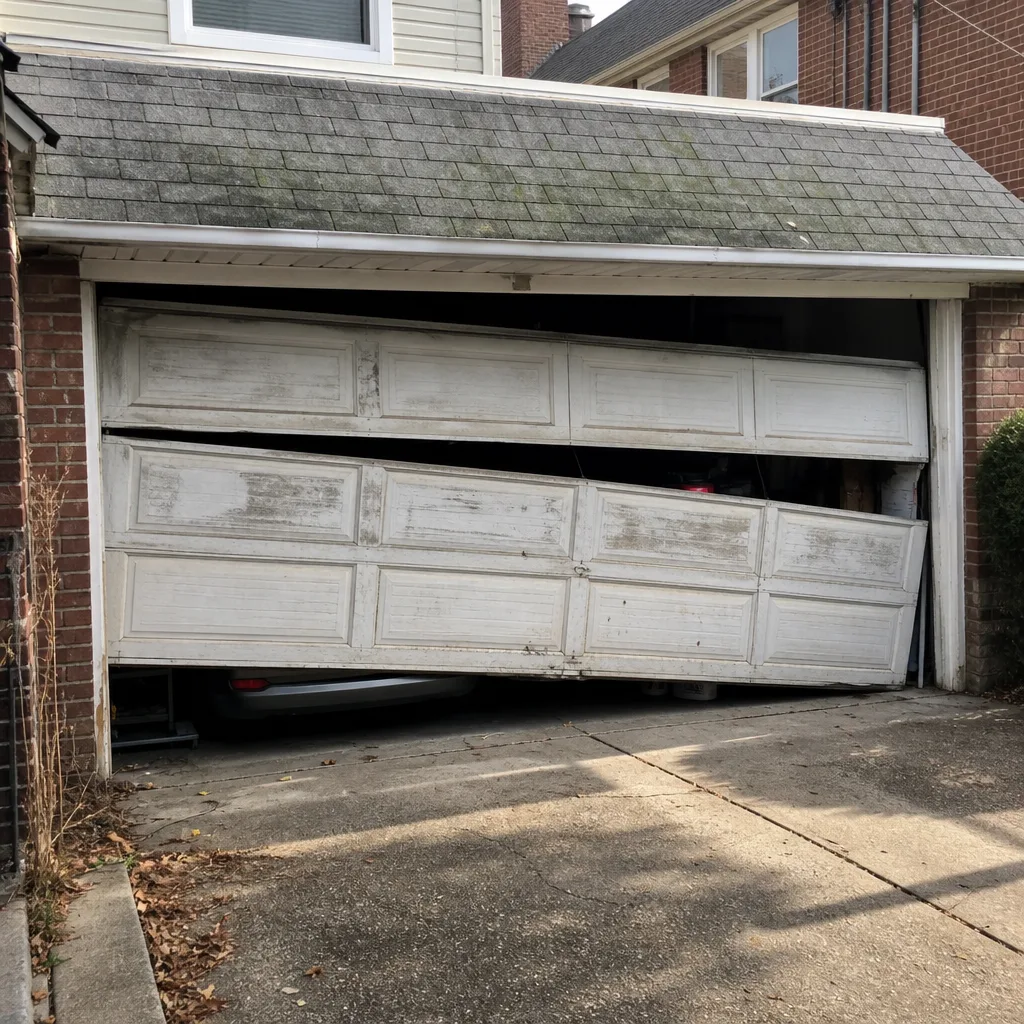 Before
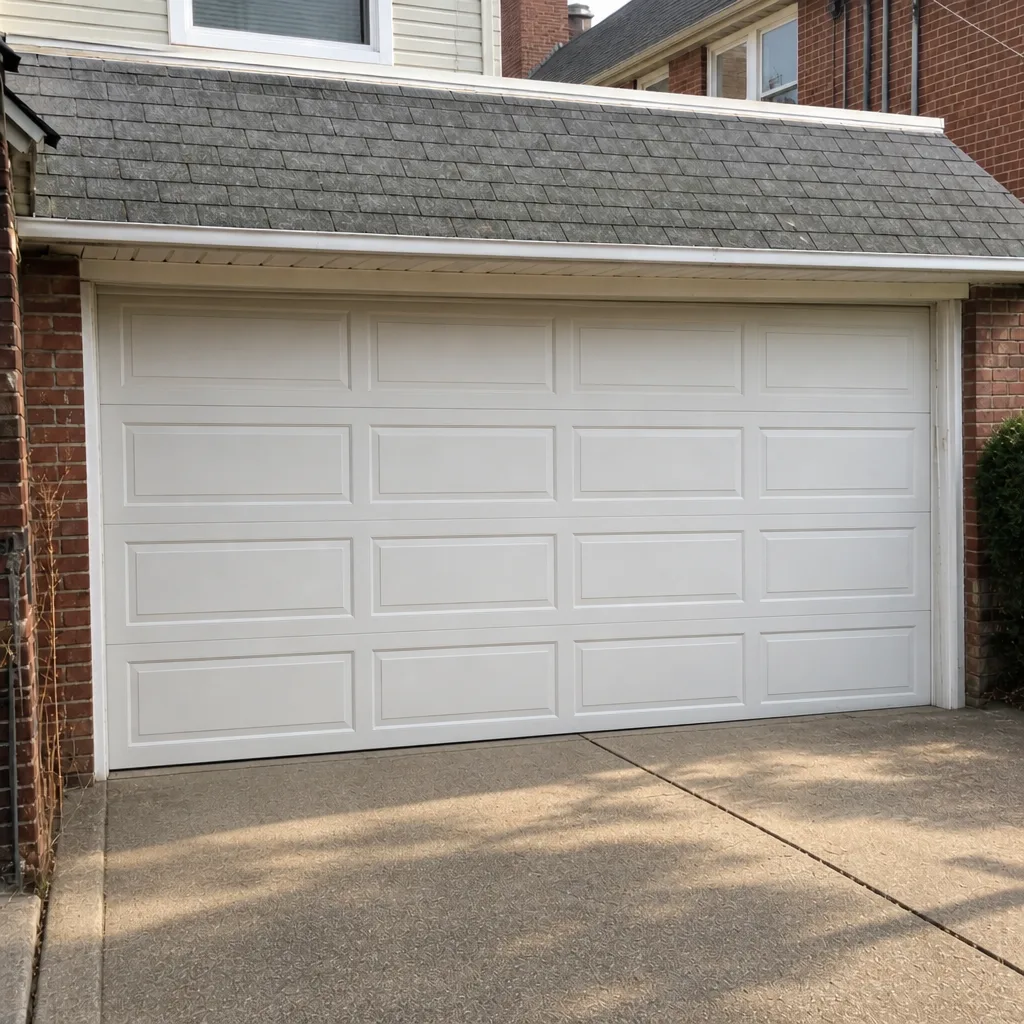 After
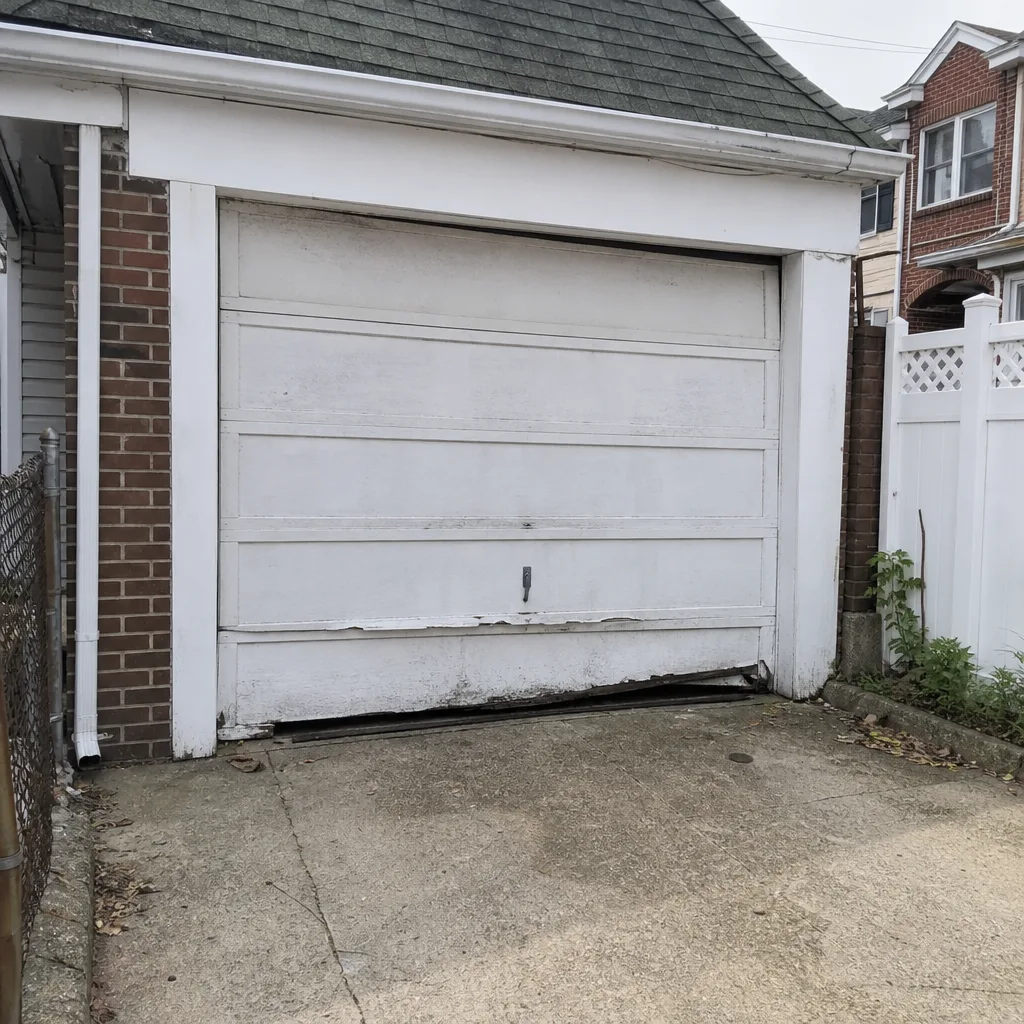 Before
 After
 Before
 After