
Last updated November 21, 2026
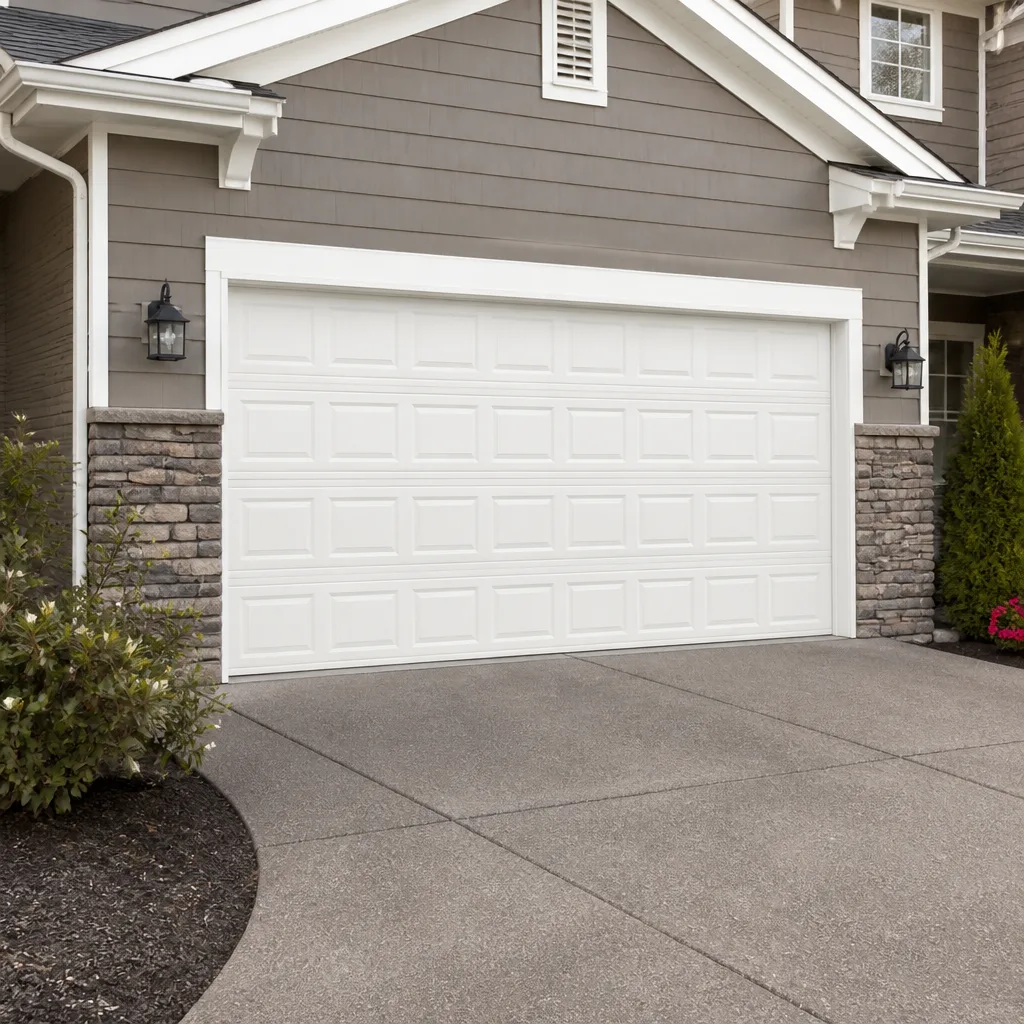 Raised-panel steel
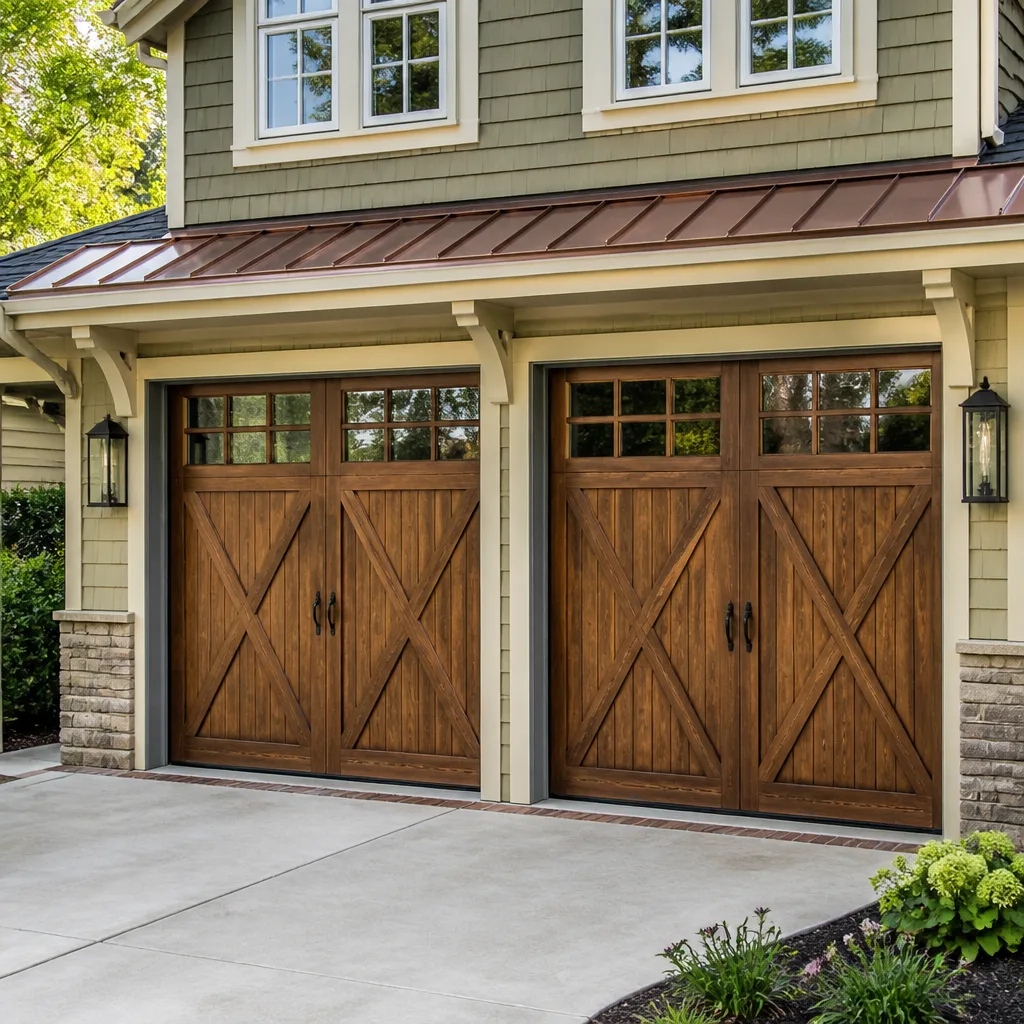 Carriage house
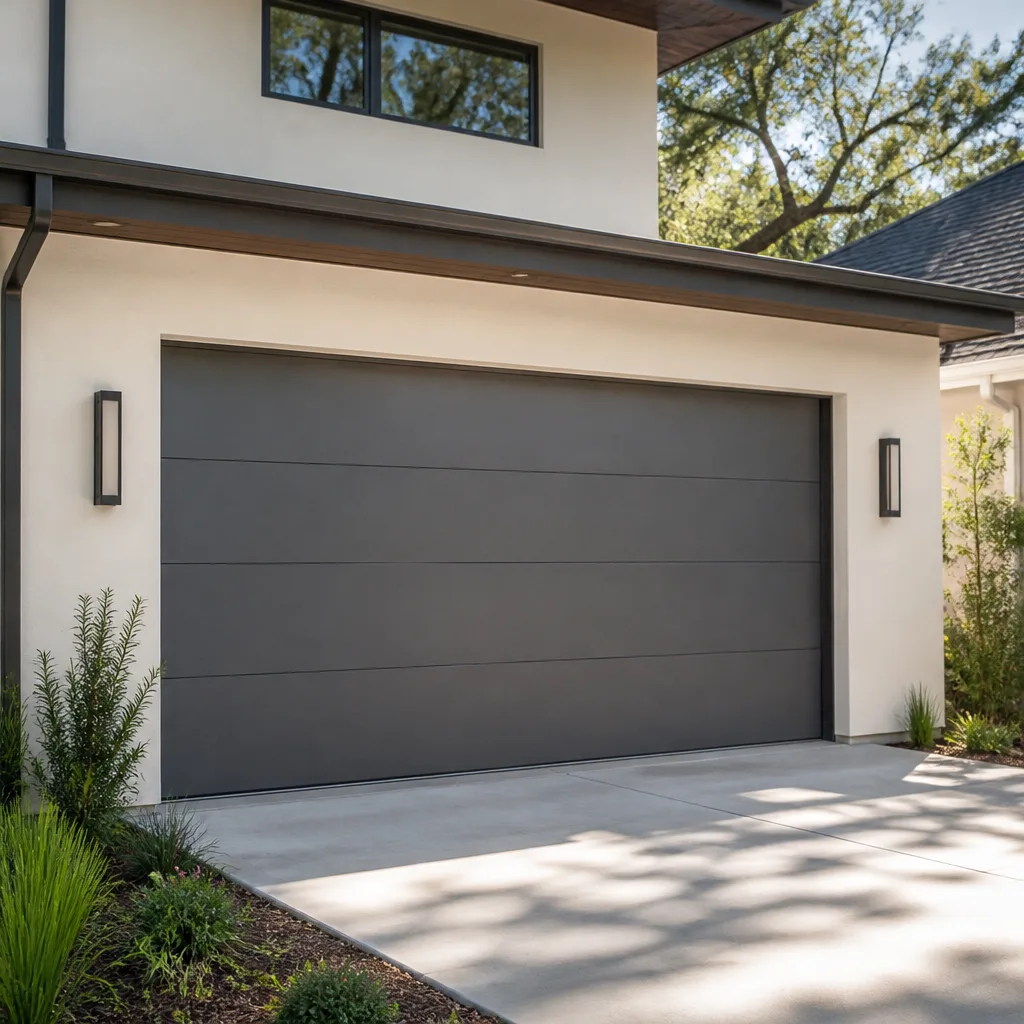 Modern flush
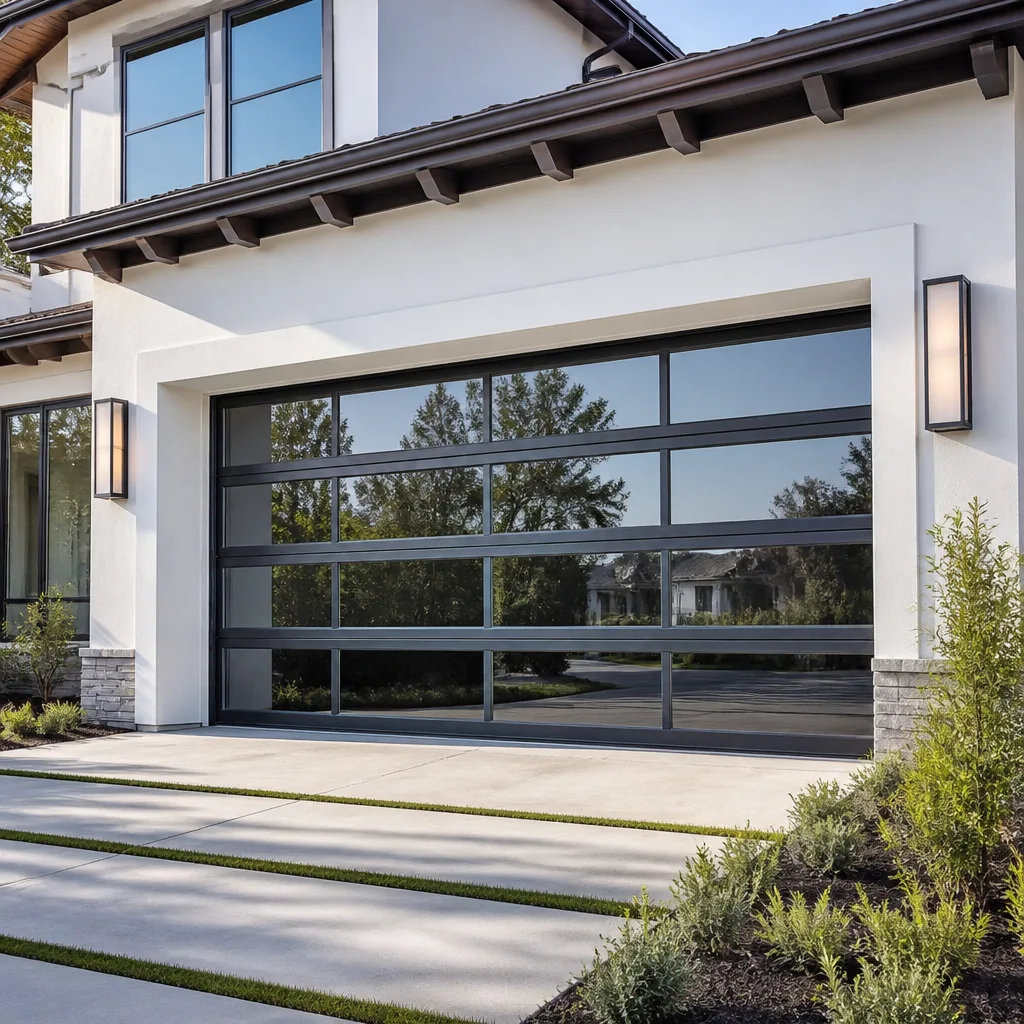 Full-view glass
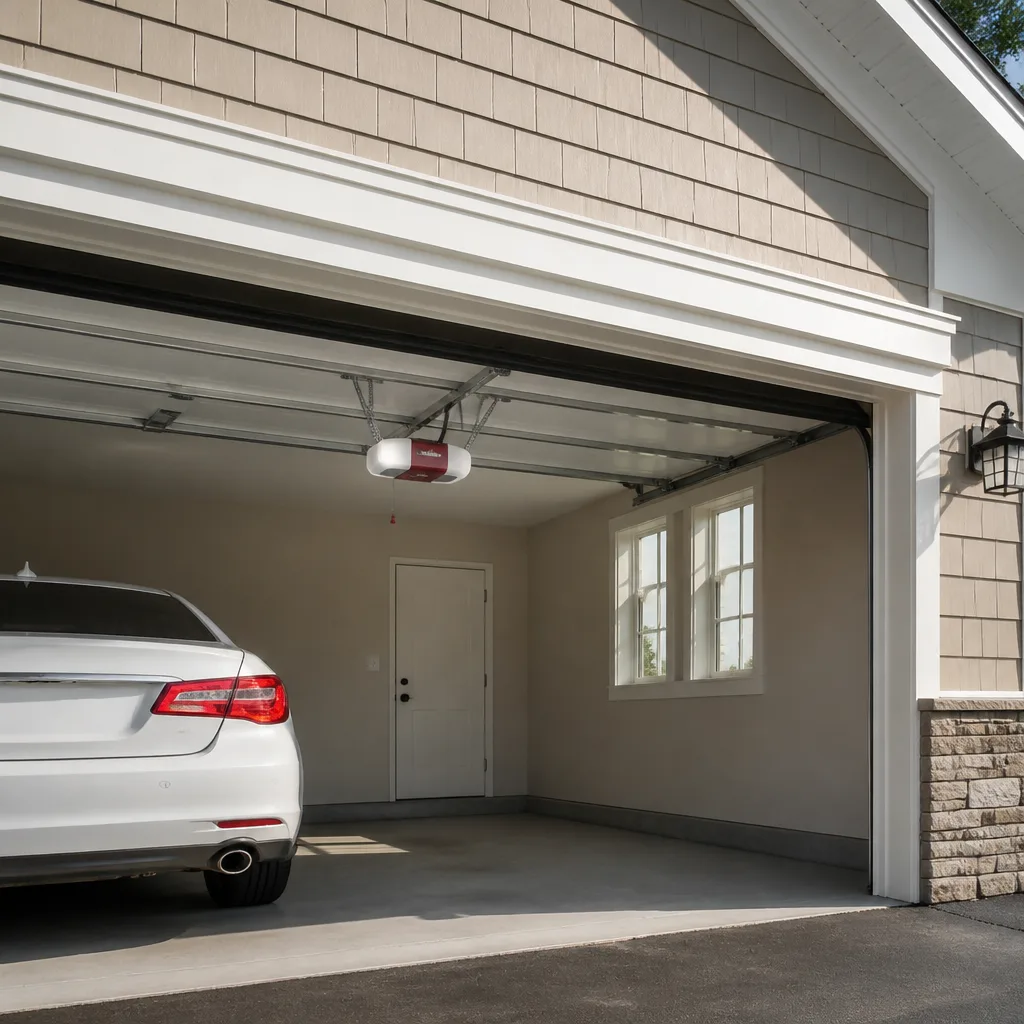 LiftMaster openers
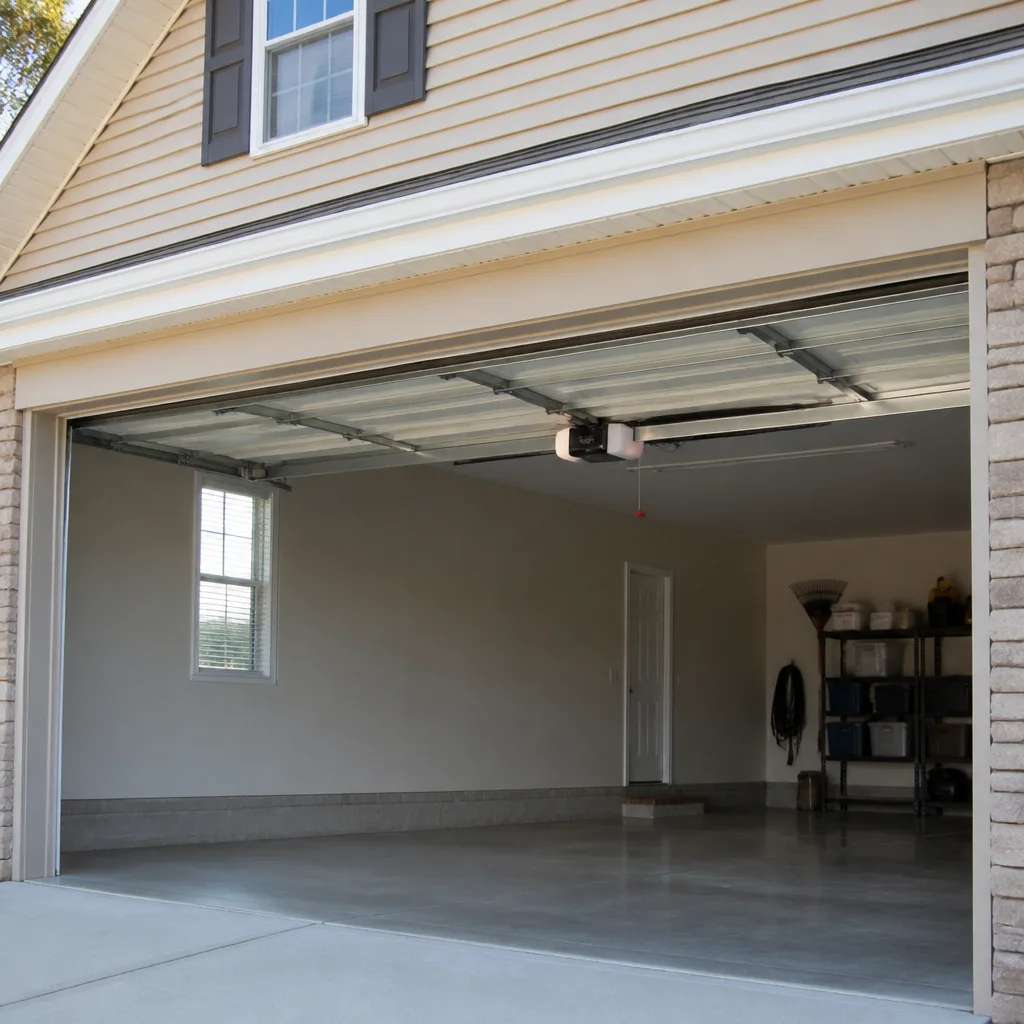 Chamberlain openers
Full 25-point door and opener safety check with every visit - springs, cables, rollers, tracks, and your LiftMaster or Chamberlain opener included
You get a price before we start. It does not change when the pro arrives.
Get your free estimateHow to Hire a Garage Door Contractor in Bay Ridge: A Step-by-Step Guide
Most people hire a garage door contractor the way they hire a plumber: they search, they call whoever answers first, and they hope for the best. That works fine for a dripping faucet. It falls apart with garage doors, because the work splits into two very different jobs. One is low-risk and forgiving. The other involves high-tension springs under enough load to injure someone who guesses wrong. In Bay Ridge, plenty of handymen and general repair outfits will take the call anyway. This guide shows you how to tell a real garage door specialist from a generalist before you book, what to ask on the phone, how to read quotes and reviews, and when waiting is the wrong move.
Quick Answer
To hire a garage door contractor in Bay Ridge, verify three things before you book: that the company specializes in garage doors (not general handyman work), that it carries parts for your specific door and opener brand, and that the quote is itemized in writing before any work starts. For spring, cable, or opener failures, ask whether they handle the job themselves or subcontract it. The right answer is specific and unhurried.
Styles & brands we work with
- Raised-panel steel
- Carriage house
- Modern flush
- Full-view glass
- LiftMaster openers
- Chamberlain openers
Table of Contents
- Why garage door work isn’t general handyman work
- The five questions to ask before you book
- Licensing and insurance in New York: what to check
- How to read garage door reviews for the right signals
- Why same-day availability matters, and how to vet it
- How to read a garage door quote in Bay Ridge
- Typical price ranges in Bay Ridge
- Common mistakes to avoid
Why Garage Door Work Isn’t General Handyman Work
A garage door looks like a simple machine. It’s a counterweighted system, and every part depends on the others. A torsion spring stores energy when the door closes and releases it when the door opens. That spring can be under hundreds of pounds of tension, and the cables and drums that carry it are unforgiving of improvisation. A generalist who “knows a little about everything” may be perfectly capable with a fence gate or a stuck window. The garage door is a different category of work.
What separates a specialist from a generalist isn’t marketing. It’s parts and procedure. Garage door brands differ in spring wire gauge, drum design, opener logic boards, and safety-reversal sensors. LiftMaster and Chamberlain openers use one family of parts; Genie uses another; a Clopay door has its own panel and hardware specs. A technician who carries the right parts for your brand finishes the job in one visit. One who doesn’t will improvise, substitute, or promise to “order and come back” – each of which tends to produce a repeat call.
We service eight of the most widely installed garage door and opener brands: LiftMaster, Chamberlain, Genie, Clopay, Amarr, Wayne Dalton, Craftsman, and Raynor. That breadth isn’t a slogan. It’s what lets a technician show up with the right spring, the right sensor, or the right logic board rather than a workaround. When you’re evaluating any contractor in Bay Ridge, ask the same question: do they know your brand, or do they know garage doors in general and hope to figure yours out on-site?
If you’re already past the hiring question and need work done now, our Garage Door Repair Bay Ridge page covers the repair side directly.
The Five Questions to Ask Before You Book
You can filter out most of the wrong contractors with a five-minute phone conversation. The answers matter as much as the substance: a specialist answers quickly and specifically, because they hear these questions every week.
- Do you stock parts for my brand, or do you order them? A specialist knows their parts inventory. “We’ll order and come back” for a spring or opener board is a sign the job will take two visits and cost more than quoted. Ask about your specific brand: LiftMaster, Genie, Chamberlain, Clopay, or whichever you have. If the answer is vague, keep calling.
- Do you handle spring and cable work in-house? This is the highest-risk part of the trade. Some generalists take the call and then subcontract the spring work, which means you don’t know who’s actually doing the job or what their training is. Ask outright.
- Will I get a written, itemized estimate before work starts? A legitimate contractor quotes parts and labor separately and confirms the price with you before touching the door. If the answer is “we’ll see when we get there,” that’s a yellow flag.
- Do you carry general liability insurance? In New York, garage door work isn’t a licensed trade in the way electrical or plumbing is. That means insurance and business registration are your real checks. Ask for a certificate of insurance before work begins.
- What’s your availability for a non-working door? A broken spring means the door won’t open, and a stuck door is an access and security problem. If same-day or next-day service matters to you, ask now, before you need it. A specialist with real availability gives a clear answer; a generalist with a full schedule will hedge.
Anyone who can answer all five without hesitation is worth a callback. Anyone who brushes past questions two and three is worth skipping, no matter how good the price sounds.
Licensing and Insurance in New York: What to Check
New York doesn’t license garage door contractors the way it licenses electricians or plumbers. That surprises people, and it’s the reason this step matters more here than in trades with a formal license. There’s no state-issued garage door license number to look up. What you can and should verify is business registration and insurance.
Here’s what a legitimate garage door specialist’s coverage looks like, and why it matters:
- General liability insurance covers damage to your property – a dented panel, a broken window, a cracked driveway – if something goes wrong on the job. A general contractor’s policy may not extend to garage door work if it’s outside their declared scope.
- Workers’ compensation covers the technician if they’re injured on your property. Spring work carries real injury risk. If the person working on your door isn’t covered, an injury could become your problem.
- Business registration in New York is a basic check. A legitimate company will give you the business name and a certificate of insurance without pushback.
Ask for the certificate of insurance before the technician arrives, not after. A specialist expects the question. A handyman working without coverage will stall, change the subject, or offer to “keep it simple.” That’s your answer.
Also worth asking: is the person coming to your Bay Ridge home an employee or a subcontractor? Both can be legitimate, but you want to know who’s on the hook if something goes wrong. If a company can’t tell you, that’s a signal.
How to Read Garage Door Reviews for the Right Signals
Reviews are useful, but most people read them wrong. They scan star ratings and stop. The signal is in the language – specifically, whether reviewers describe a straight diagnosis or a sales pitch. Here’s what to look for.
Signals of a straight-diagnosis technician:
- Reviewers mention the technician explained what was wrong before quoting, and offered a repair option before a replacement one.
- Reviewers name their brand and say the tech recognized it. “They knew my LiftMaster opener” is a specific, verifiable signal.
- Reviews mention an itemized estimate confirmed before work started, with no surprises at the end.
- Reviewers describe a fix that held up over time, not just a fast visit.
Signals of an upsell-heavy operator:
- Reviewers describe a technician who “took a look” and immediately recommended a full replacement on a door that only needed a spring or opener board.
- Multiple reviews mention a price that changed once the job was underway, or a quote that omitted labor until the invoice.
- Reviews focus on speed and price with no mention of the diagnosis. Fast and cheap isn’t a specialty, it’s a commodity – and on spring work, commodity pricing usually means commodity procedure.
- Reviews are clustered and generic, without the specifics (brand, part, symptom) real customers tend to include.
Look for reviews that mention a specific brand or symptom, not just “great service.” And read the mid-range reviews (three stars) more carefully than the five-star ones. They tend to describe the actual experience without the social pressure to be generous.
Why Same-Day Availability Matters, and How to Vet It
A broken garage door isn’t just an inconvenience. On a Bay Ridge block where the garage is the primary entrance and the car is parked inside, a door that won’t open means you can’t get to work. A door that won’t close means the house isn’t secure. Spring failures tend to happen without warning – a torsion spring that’s been under load for years can snap on a cold morning. When it does, the door is effectively out of service until someone with the right parts and training fixes it.
That’s why same-day availability matters, and why it’s worth vetting before you need it. Here’s how to check whether a contractor’s “same-day” claim is real:
- Call on a normal day and ask a scheduling question. “If my door fails tomorrow, what does your availability look like?” A specialist with real capacity gives you a straight answer. A contractor who only offers same-day service in a marketing line will hedge.
- Ask whether they handle emergency calls themselves or dispatch a subcontractor. Same-day service from a company that sends whoever’s available isn’t the same as same-day service from a specialist.
- Ask whether the parts for your brand are on hand. Same-day service is meaningless if the technician arrives without the spring or board and has to order it. Availability and parts inventory go together.
- Confirm the phone line is answered when you call. A company that answers the phone at all hours and books the visit properly is one you can rely on at a bad moment.
We answer 24/7. Fast dispatch from 7am to 7pm, Sunday through Friday. If a door fails on a Saturday, we’re closed – but you can call and we’ll book you into the next opening on Sunday. Getting that answer now, before you need it, tells you more than any slogan.
How to Read a Garage Door Quote in Bay Ridge
A written estimate is where a straight contractor and a sales operation diverge most clearly. The estimate should itemize parts and labor separately, name the brand and part, and state a total that won’t change unless the scope changes. Read it for these things.
What a good quote includes:
- Parts and labor listed separately, with the brand and part named (for example, a torsion spring matched to your door’s weight and brand).
- A clear statement that the price is quoted and agreed before any work starts.
- Whether the spring quote is for one spring or a matched pair. This matters because most doors use two springs that should be replaced together.
- Any diagnostic or service-visit line stated upfront, not added at the end.
Red flags in a quote:
- Vague line items like “door repair” with no breakdown of parts versus labor.
- Refusal to itemize parts and labor separately when you ask.
- Pressure to replace the whole door when repair is the right call. A door that’s noisy, a door that won’t reverse, a door that runs unevenly – these are often repair problems, not replacement problems. “Same door, fixed right” should be on the table before replacement is.
- A price that’s quoted verbally and never written down.
If a contractor can’t or won’t put the quote in writing before work starts, that’s the whole answer. A written estimate is the baseline, not a courtesy. If you’re comparing bids for a repair, our garage door repair page explains what a typical repair visit involves.
Typical Price Ranges in Bay Ridge
Prices vary by door weight, spring type, and brand, but here’s a rough picture of what to expect for common jobs in the Bay Ridge market. These are typical estimated ranges, not quotes. The written estimate sets the final price.
- Torsion spring replacement (one spring): typically $180 – $340. Most doors use a matched pair, and a pair is usually replaced together, so a pair runs about twice that.
- Extension spring replacement: typically $150 – $280 depending on door size and spring type.
- Cable replacement: typically $150 – $300 per cable, depending on the drum and door configuration.
- Opener repair: typically $150 – $350, depending on whether the issue is a logic board, a sensor, or a gear assembly. Brand affects parts cost.
- Opener replacement: typically $400 – $900 installed, depending on the opener model and whether existing wiring and rails can be reused.
- New door installation: typically $1,200 – $3,500, depending on door size, material, insulation, and brand.
Two notes on that table. First, these ranges are typical for the Bay Ridge market, but a door with unusual weight, a non-standard size, or a brand with harder-to-source parts can fall outside them. Second, the number that matters is the one on your written estimate, confirmed before work starts. For anything in the $1,200-and-up range, ask for the estimate in writing and read it line by line.
If you’re pricing out a replacement rather than a repair, our garage door installation page covers what a measure-and-install visit involves.
When Repair Is the Right Call and When Replacement Is
This is where an honest contractor and a sales operation part ways. The honest question is whether repair fixes the actual problem or just postpones it. Here’s how to think about it.
Repair is usually the right call when:
- The door itself is structurally sound – no rot, no cracked panels, no bent tracks.
- The problem is a single component: a spring, a cable, a sensor, a logic board.
- The door is newer and the failure is mechanical rather than age-related.
Replacement may be the right call when:
- The door is damaged structurally – dented panels, bent tracks, a warped frame.
- You’re facing a second or third major repair on the same door in a short window.
- The door is a safety concern – a failing opener on a door that won’t reverse, or a door that runs unevenly despite repair.
The key phrase to listen for is “same door, fixed right.” A specialist offers repair as the first option and explains why replacement is or isn’t warranted. A sales operation leads with replacement. If you’re getting pressure to replace a door that only has a bad spring or a bad opener board, get a second opinion. Our garage door opener repair page is a good place to start if the door itself is fine and the opener is the problem.
See the difference
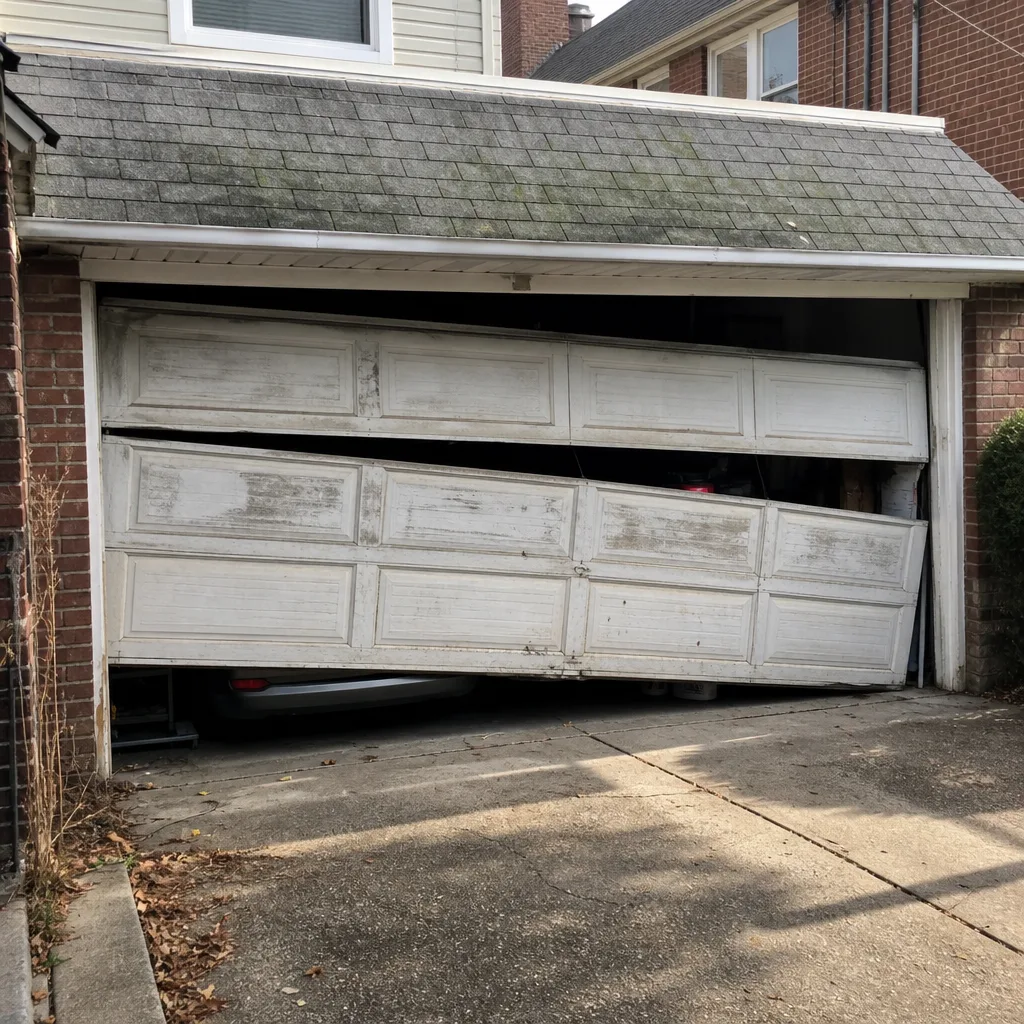 Before
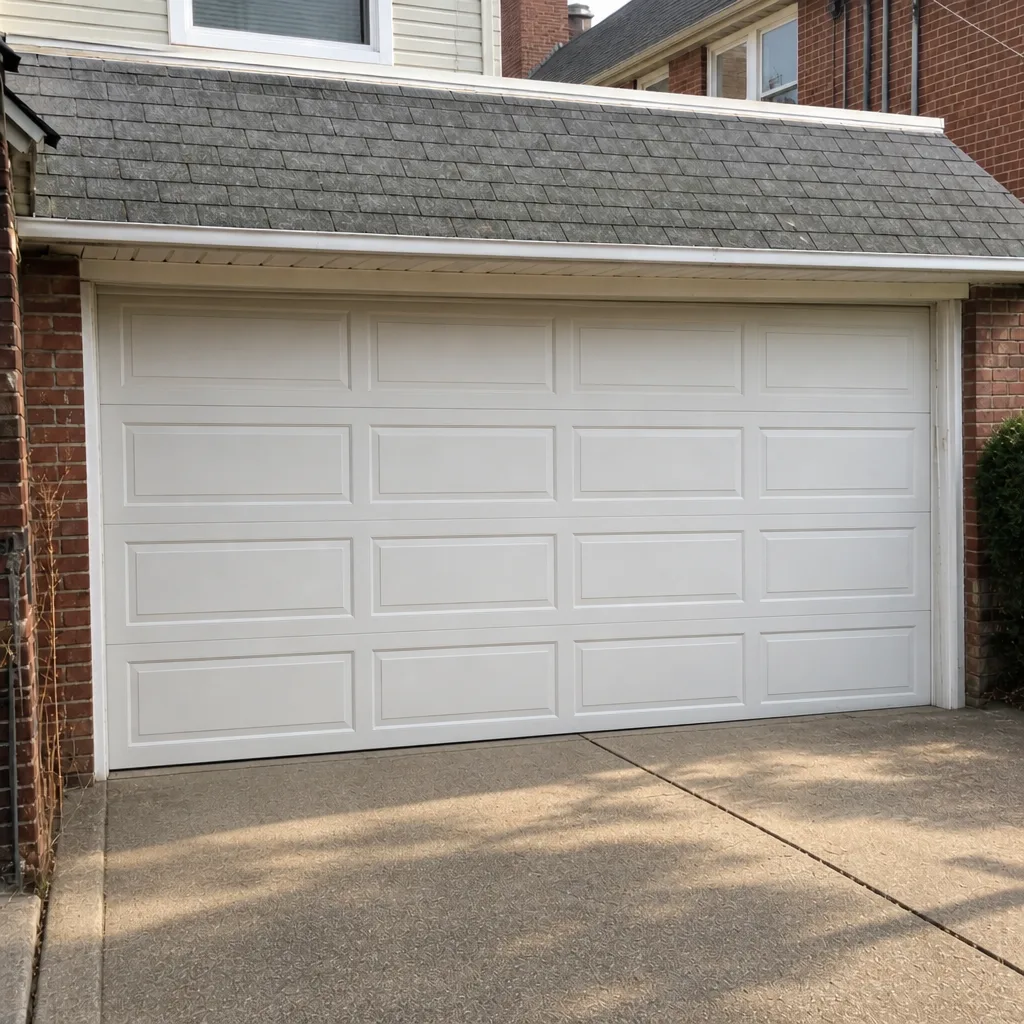 After
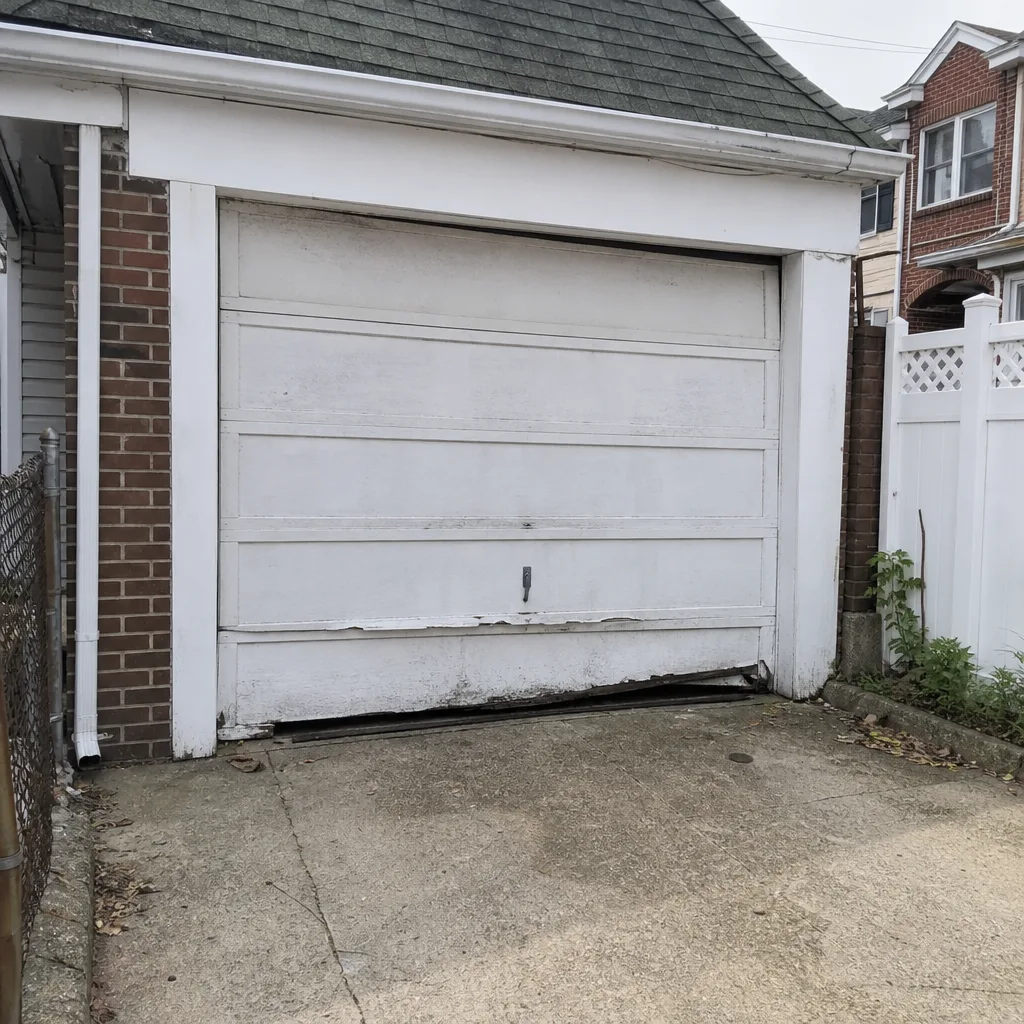 Before
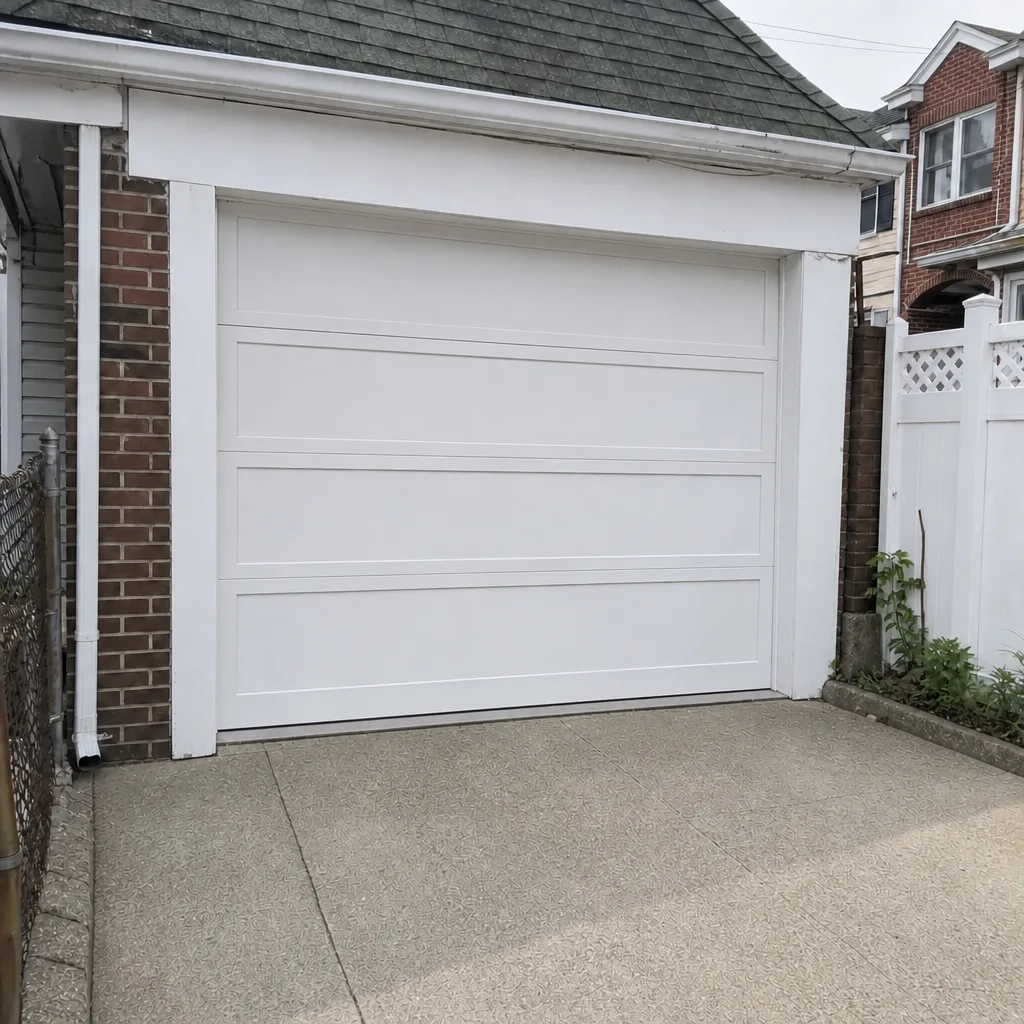 After
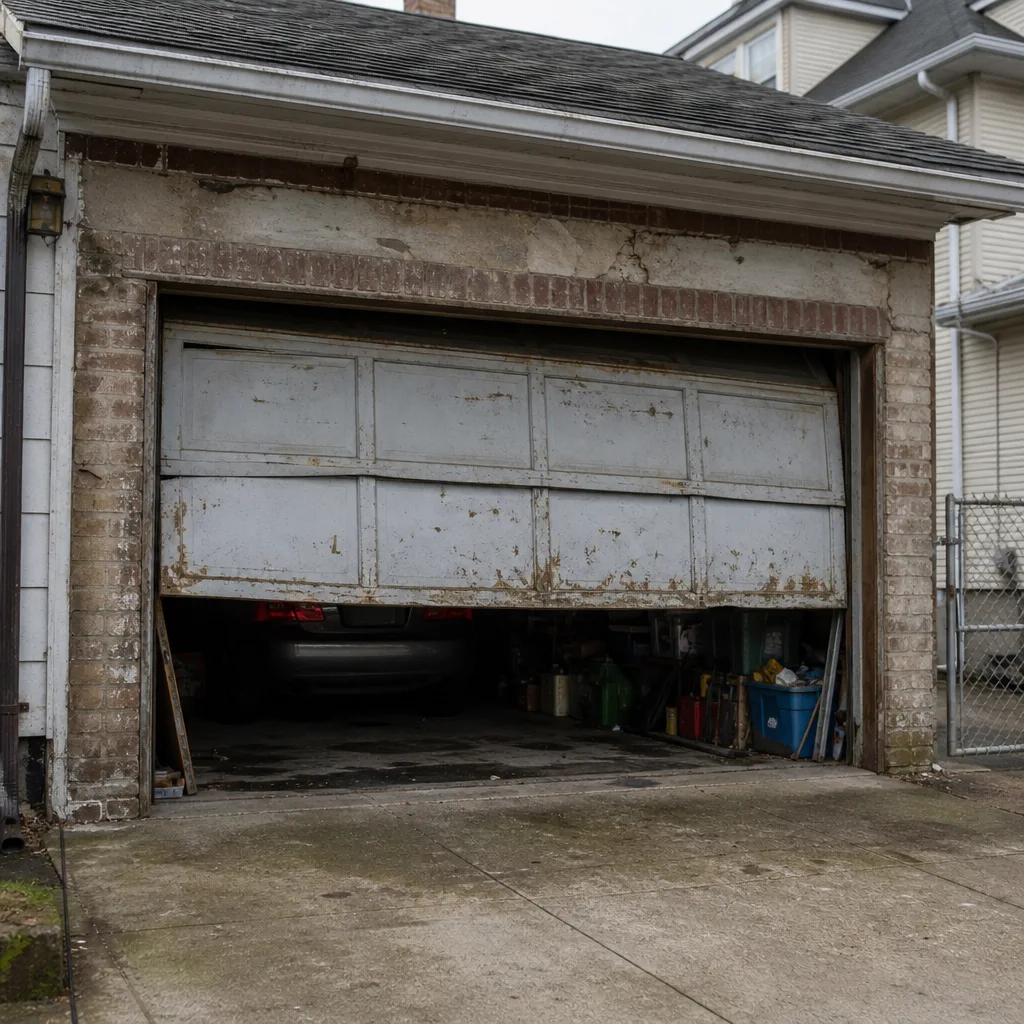 Before
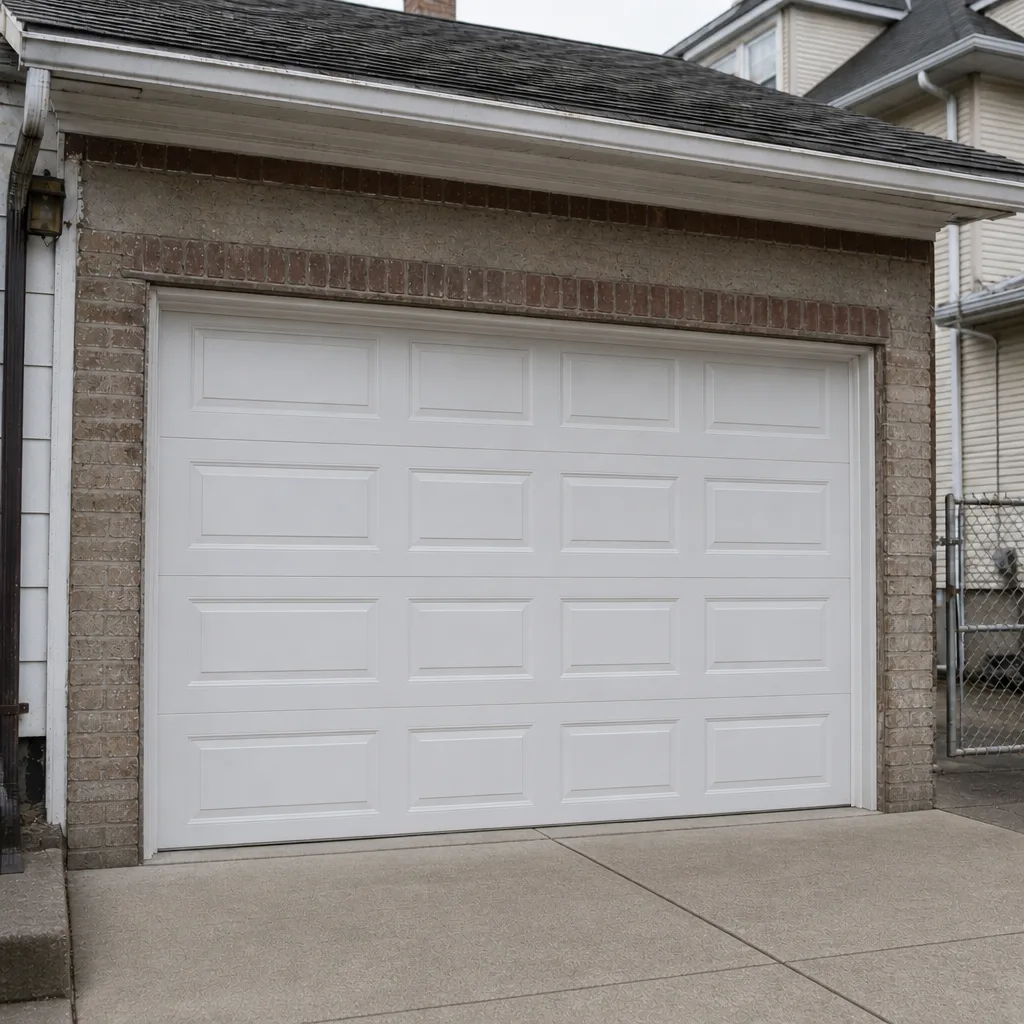 After
How a Typical Garage Door Visit Works
Knowing what a normal visit looks like makes it easier to spot the wrong kind. Here’s the shape of a proper repair call.
- Phone diagnosis. A good contractor asks what the door is doing, what brand it is, and whether the door moves at all. This determines whether the visit is routine or urgent.
- On-site inspection before any work. The technician checks the door’s balance, the springs, the cables, the rollers, and the opener’s safety reversal. They identify the actual failure, not the closest symptom.
- Written estimate before work starts. You see the itemized price and agree to it before the technician touches the door.
- Repair, then a test cycle. The technician cycles the door, confirms the balance, and checks that the opener’s safety sensors and reversal work correctly.
- Close-out. A straight contractor tells you what was fixed, what to watch for, and whether any related part is near the end of its life – without turning that into a sales pitch.
If any of those steps get skipped, especially step three, that’s a contractor who’s running a different business than the one you hired.
Common Mistakes to Avoid
- Hiring on price alone. A quote that’s well below the typical range for spring work usually means either a generalist substituting parts or a hidden charge to come. Ask what’s included before you book.
- Not asking about brand parts. A technician who doesn’t stock parts for your brand will improvise or make a second trip. Ask about your specific brand on the phone, not on arrival.
- Skipping the insurance check. New York doesn’t license garage door contractors, so insurance is your real protection. Ask for the certificate before the visit.
- Accepting a verbal quote. A price that isn’t written down is a price that can change. Insist on an itemized estimate confirmed before work starts.
- Letting a bad spring wait. A torsion spring that’s already failed means the door is held only by the opener or by gravity. Don’t cycle a door with a broken spring; it stresses the opener and the cables.
- Replacing a door over a repairable opener. A logic board or sensor failure isn’t a door problem. Get a repair diagnosis before you price a replacement.
- Assuming a generalist is a specialist. Garage doors aren’t a general handyman category. Ask the five questions before you book, not after the tech is in your driveway.
When to Call a Professional
Some garage door problems are safe to watch and some aren’t. Call a professional when a spring has snapped (the door won’t be operable and the cables are under load), when a door won’t reverse on contact with an object (a safety failure), when an opener runs but the door doesn’t move, when a door comes off its track, or when a cable is visibly frayed. Spring and cable work is high-tension work – it’s not a DIY category, and it’s not a general handyman category either. If your door is stuck open or stuck closed and it’s your primary access, treat it as urgent. Garage Door Repair Bay Ridge offers free estimates in Bay Ridge – call (866) 937-8127. We answer 24/7. Fast dispatch from 7am to 7pm, Sunday through Friday.
Frequently Asked Questions
Torsion spring replacement in Bay Ridge typically runs $180 – $340 for one spring. Most doors use a matched pair, and a pair is usually replaced together, so a pair runs about twice that. Extension springs run lower, typically $150 – $280. The written estimate sets the final price. Call (866) 937-8127 for an exact quote – estimates are free.
New York doesn’t license garage door contractors the way it licenses electricians or plumbers, so there’s no state license number to check. What you can verify is business registration and general liability insurance. Ask for a certificate of insurance before work starts, and ask whether the technician is an employee or a subcontractor. Call (866) 937-8127 if you want to talk through what a covered job looks like.
Yes, for many repairs – a broken spring, a faulty sensor, or an opener board can often be handled in one visit if the technician has the parts for your brand on hand. That’s why asking about parts inventory matters as much as asking about availability. We answer 24/7. Fast dispatch from 7am to 7pm, Sunday through Friday. Call (866) 937-8127 to book.
No. The written estimate is confirmed and agreed before any work starts, so the price on the quote is the price you pay unless the scope of the job changes and you approve it. If a contractor won’t put the quote in writing upfront, that’s a reason to keep calling. Call (866) 937-8127 for a written estimate – estimates are free.
Ask what brand of door and opener they service and whether they stock parts for it. A specialist names specific brands – LiftMaster, Chamberlain, Genie, Clopay – and answers without hesitation. A generalist tends to answer in generalities and “order and come back.” Ask about spring and cable work in-house too. Call (866) 937-8127 and ask us the same questions.
A spring repair fixes a single failed component on a door that’s otherwise sound. A replacement is warranted when the door is structurally damaged, has repeated major failures, or is a safety concern that repair can’t resolve. A straight contractor offers repair first and explains why replacement is or isn’t the right call. Call (866) 937-8127 for a free estimate and a straight answer.
The Bottom Line
Hiring a garage door contractor in Bay Ridge comes down to filtering for a specialist, not a generalist. Ask the five questions before you book – whether they stock parts for your brand, whether they handle spring work in-house, whether they quote in writing, whether they’re insured, and what their real availability looks like. Read reviews for straight-diagnosis signals, not just star ratings. Insist on an itemized written estimate before work starts, and treat “we’ll order and come back” as a reason to keep calling. The right contractor is the one who gives you a specific answer, confirms the price in writing, and offers repair before replacement. Garage Door Repair Bay Ridge offers free estimates for Bay Ridge homeowners – call (866) 937-8127. We answer 24/7. Fast dispatch from 7am to 7pm, Sunday through Friday.
Written by the team at Garage Door Repair Bay Ridge.